
The best workout routine is the one that fits the number of days you can really train. Two or three days call for full-body sessions, four days for upper/lower, and five or six for a split that gives each day its own focus. Pick the row for your week below, run it for four weeks, and add weight when the reps get easy.
Get a routine that fits your days. Tell Nuvela your goal, your days and your minutes, and build your week: it picks the moves, sets every weight and adjusts it as you log. Get Nuvela on Google Play.
2 days
Full body A + B
Every muscle twice a week in about 2 hours total.
3 days
Full body A, B, C
The best start for most beginners.
4 days
Upper/lower
Each muscle twice, shorter sessions.
5 days
Upper, lower, push, pull, legs
More sets for lifters with time.
6 days
Push pull legs twice
Long weeks, one rest day.
The plan
A workout routine is the fixed list of sessions you repeat each week. Count the days you can train, then take the routine for that number from the table below and keep it for at least four weeks.
The CDC asks adults for at least 2 days of muscle-strengthening work a week, covering legs, hips, back, abdomen, chest, shoulders and arms. Every routine here does that.
| Routine | Days a week | Week layout | Each muscle | Time per session |
|---|---|---|---|---|
| Full body A + B | 2 | Mon A, Thu B | 2× a week | 60–70 min |
| Full body A, B, C | 3 | Mon A, Wed B, Fri C | 3× a week | 50–60 min |
| Upper/lower | 4 | Mon Upper, Tue Lower, Thu Upper, Fri Lower | 2× a week | 45–55 min |
| Upper, lower, push, pull, legs | 5 | Mon Upper, Tue Lower, Thu Push, Fri Pull, Sat Legs | 2× a week for most | 45–55 min |
| Push pull legs ×2 | 6 | Mon to Sat, Sun off | 2× a week | 45–60 min |
Why twice a week? A 2016 meta-analysis found training a muscle twice a week built more muscle than once a week with the same total sets. And a 2024 meta-analysis of 14 studies found split and full-body routines worked about the same when sets were equal. So the right routine is the one whose days you can actually keep.
The day templates
Every routine above is built from these eight days. Rest 2 to 3 minutes after the first two moves of a day and 60 to 90 seconds after the rest.
| Day | Moves, sets × reps |
|---|---|
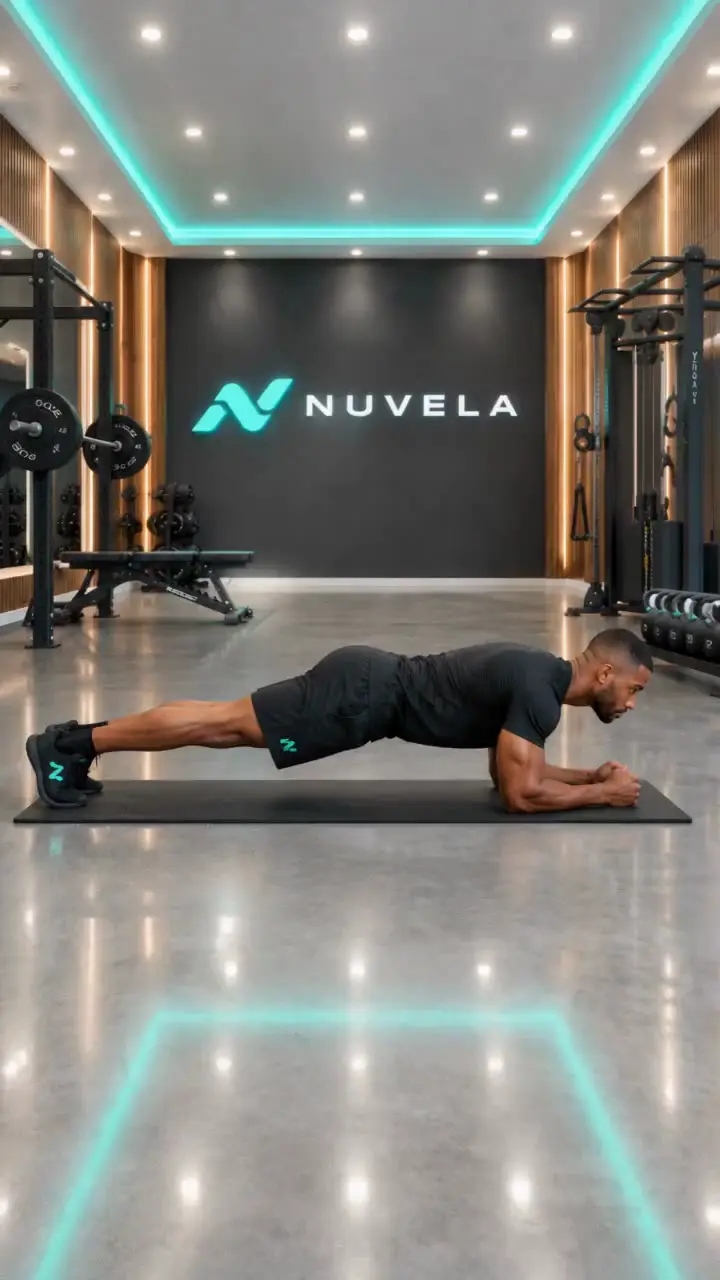
| Full body A | Back squat 3 × 6–8 · Bench press 3 × 6–8 · Seated cable row 3 × 8–12 · Romanian deadlift 2 × 8–10 · Dumbbell lateral raise 2 × 12–15 · Plank 2 × 30–45 sec |
| Full body B | Trap bar deadlift 3 × 5 · Dumbbell shoulder press 3 × 8–10 · Lat pulldown 3 × 8–12 · Leg press 2 × 10–12 · Dumbbell curl 2 × 10–12 · Triceps pushdown 2 × 10–12 |
| Full body C | Bulgarian split squat 3 × 8–10 per leg · Incline dumbbell press 3 × 8–10 · One-arm dumbbell row 3 × 8–12 per arm · Hip thrust 3 × 8–12 · Face pull 2 × 12–15 · Hanging knee raise 2 × 10–12 |
| Upper | Bench press 4 × 6–8 · Seated cable row 3 × 8–12 · Dumbbell shoulder press 3 × 8–10 · Lat pulldown 3 × 8–12 · Triceps pushdown 2 × 10–15 · Dumbbell curl 2 × 10–15 |
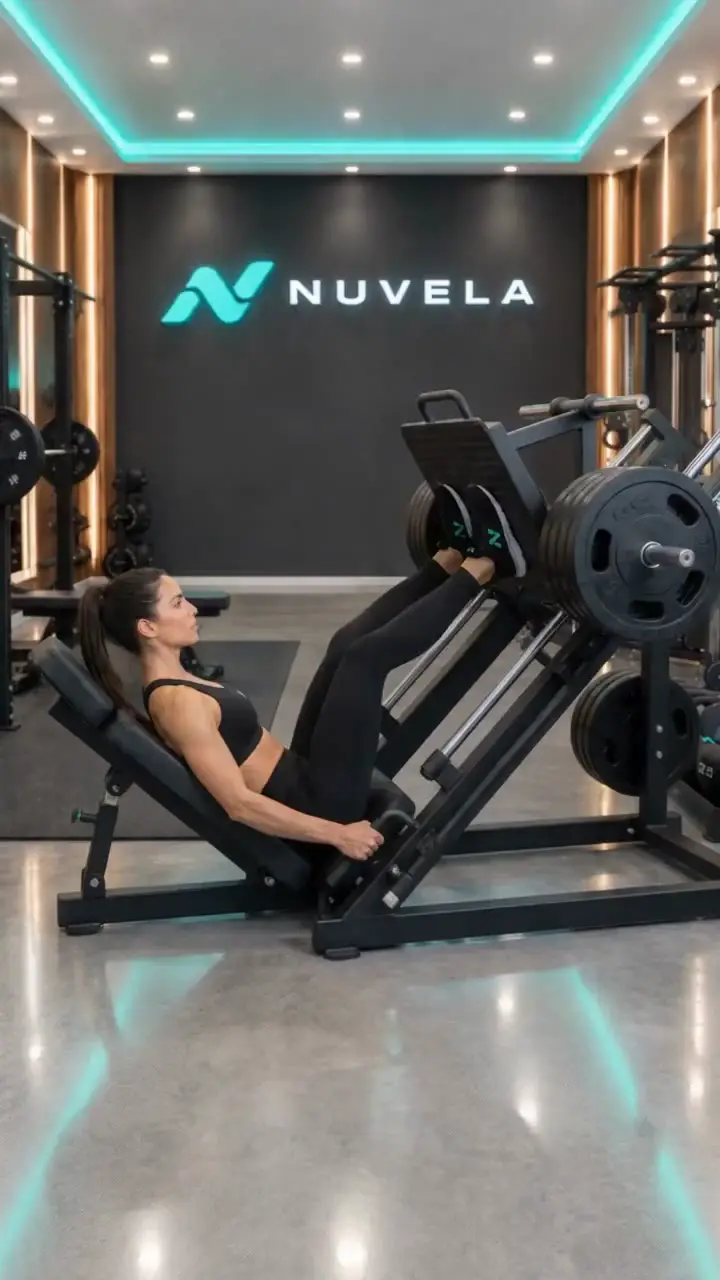
| Lower | Back squat 4 × 6–8 · Romanian deadlift 3 × 8–10 · Leg press 3 × 10–12 · Leg curl 3 × 10–12 · Calf raise 3 × 10–15 · Plank 2 × 30–45 sec |
| Push | Bench press 4 × 6–8 · Dumbbell shoulder press 3 × 8–10 · Incline dumbbell press 3 × 8–12 · Dumbbell lateral raise 3 × 12–15 · Triceps pushdown 3 × 10–12 |
| Pull | Barbell row 4 × 6–8 · Lat pulldown 3 × 8–12 · Seated cable row 3 × 10–12 · Face pull 3 × 12–15 · Dumbbell curl 3 × 10–12 |
| Legs | Back squat 4 × 6–8 · Romanian deadlift 3 × 8–10 · Leg press 3 × 10–12 · Leg curl 3 × 10–12 · Calf raise 3 × 12–15 |
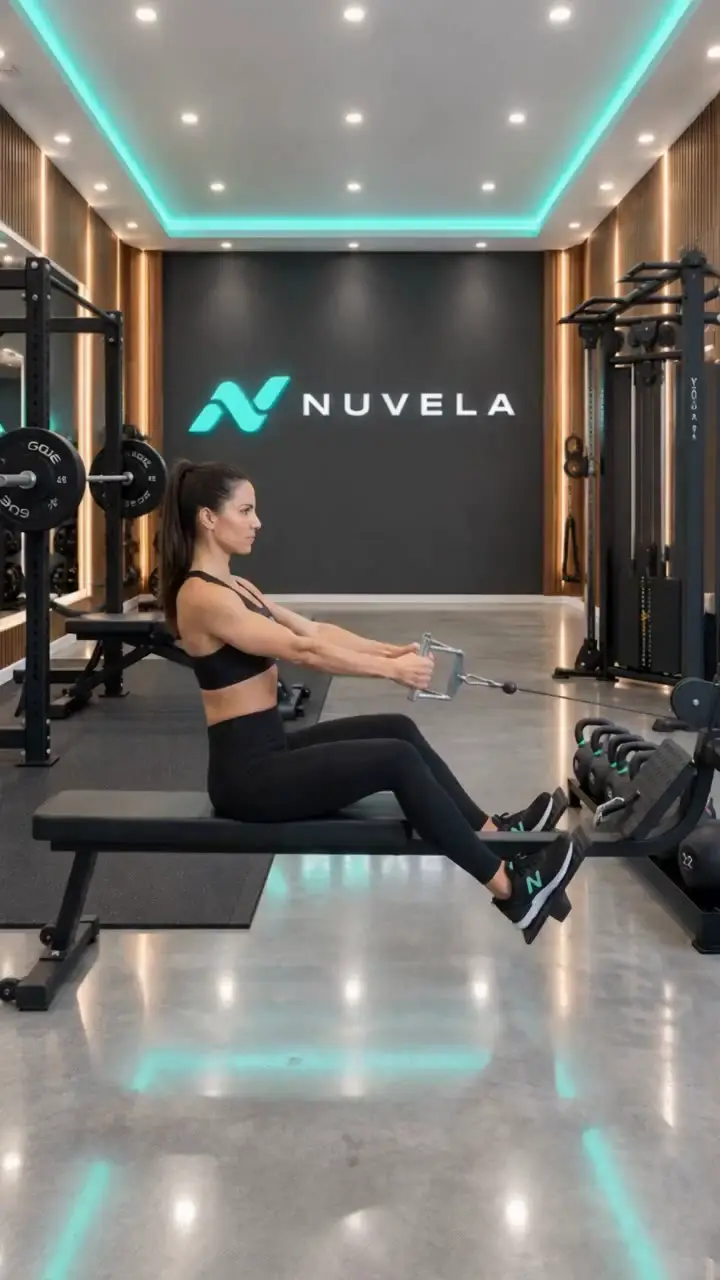
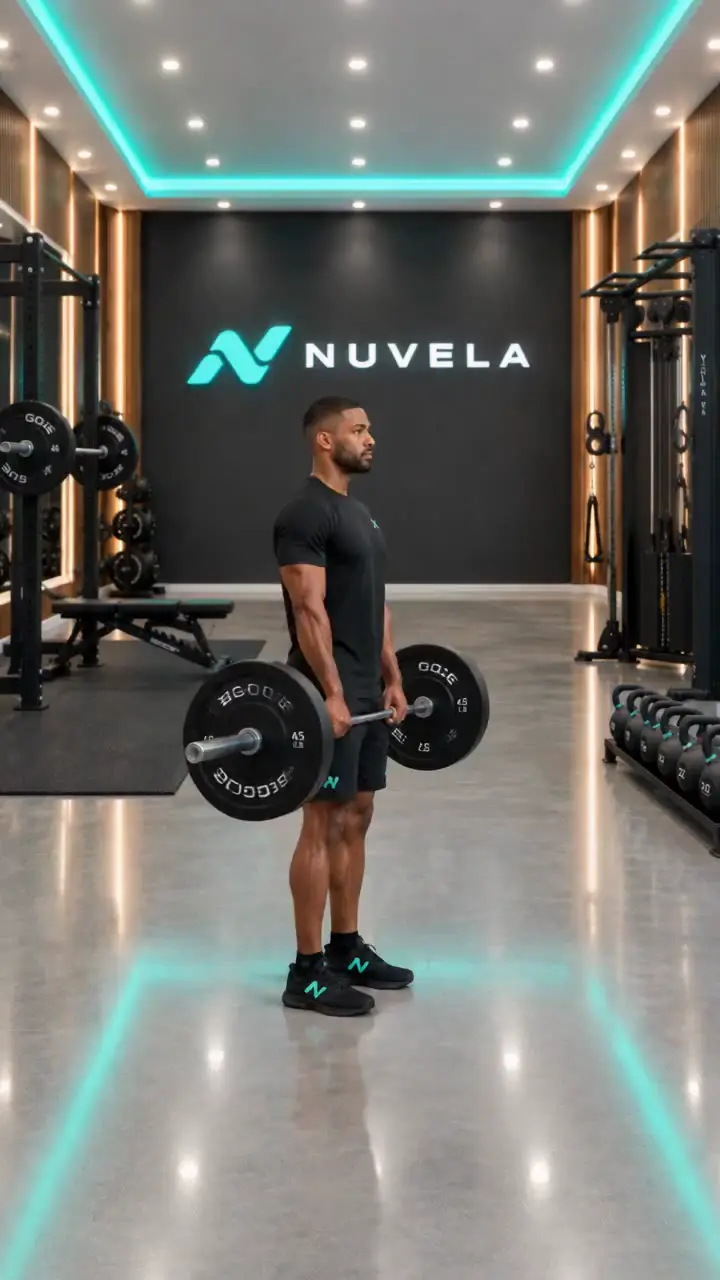
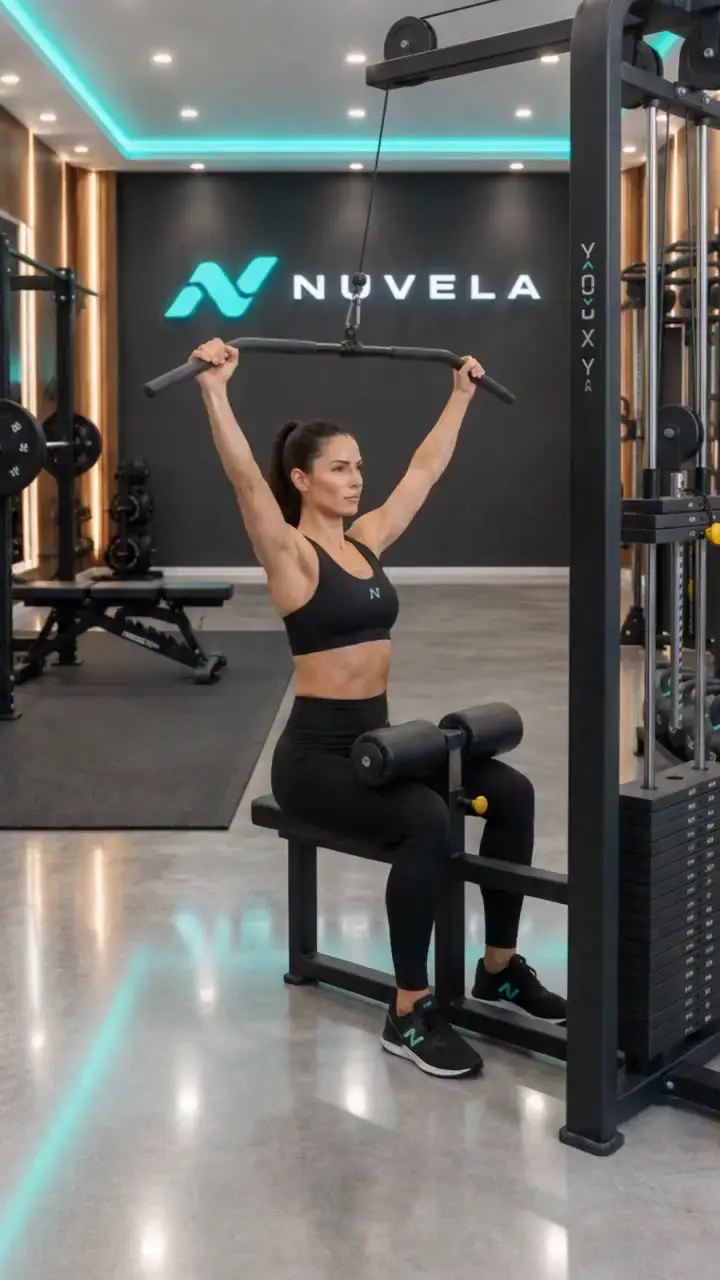
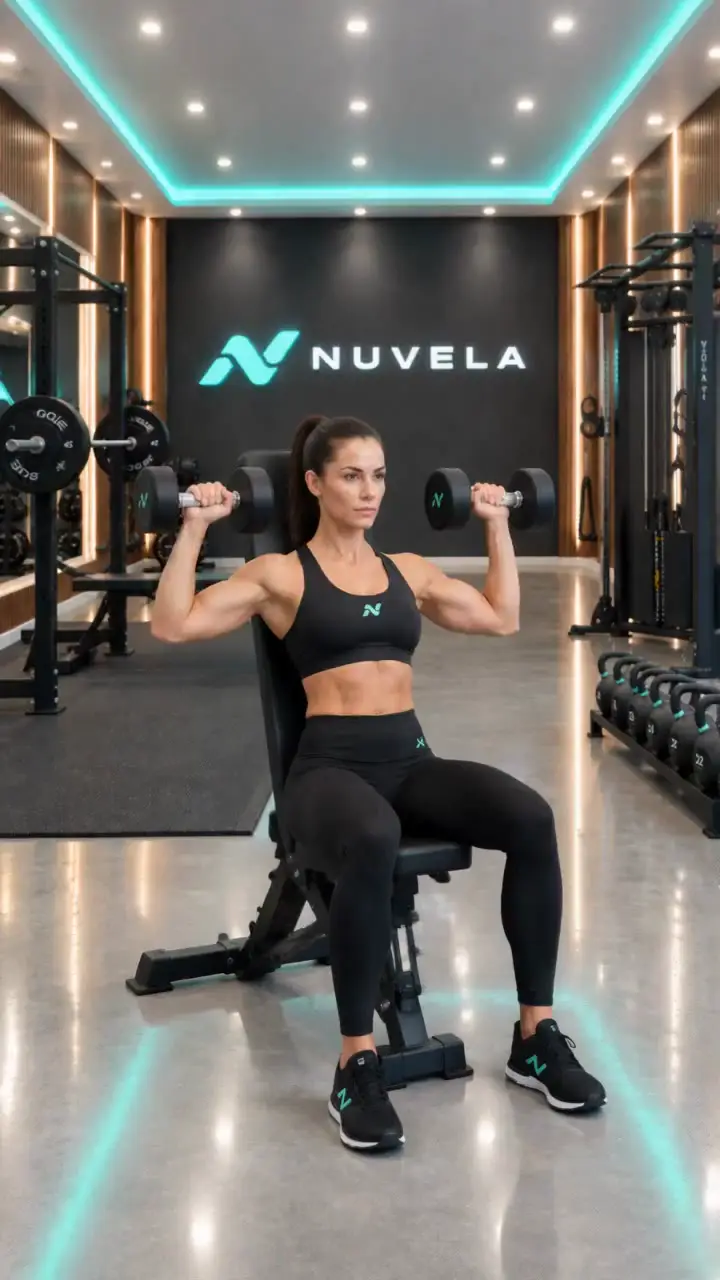
On the 4-day routine, run Upper and Lower as written on Monday and Tuesday. On Thursday and Friday use the second version of each move:
- Incline dumbbell press in place of the bench press.
- Pull-up or assisted pull-up in place of the lat pulldown.
- Trap bar deadlift in place of the back squat.
On the 6-day routine, do the same with the second round of push, pull and legs.
Want the full version of one routine, with rest times and every variation? Each has its own guide: 3 day workout split, 4 day workout split, upper lower split, 5 day workout split and push pull legs. Not sure which split fits your week? Start with the workout split hub.
Good
- Full body: a missed day costs little, every muscle 2–3 times a week
- Upper/lower and push pull legs: shorter sessions, more focus per day
Keep in mind
- Full body sessions run longer, about an hour
- 5 and 6 days need sleep and food to match
Get this week built for your gym.
Plan your workout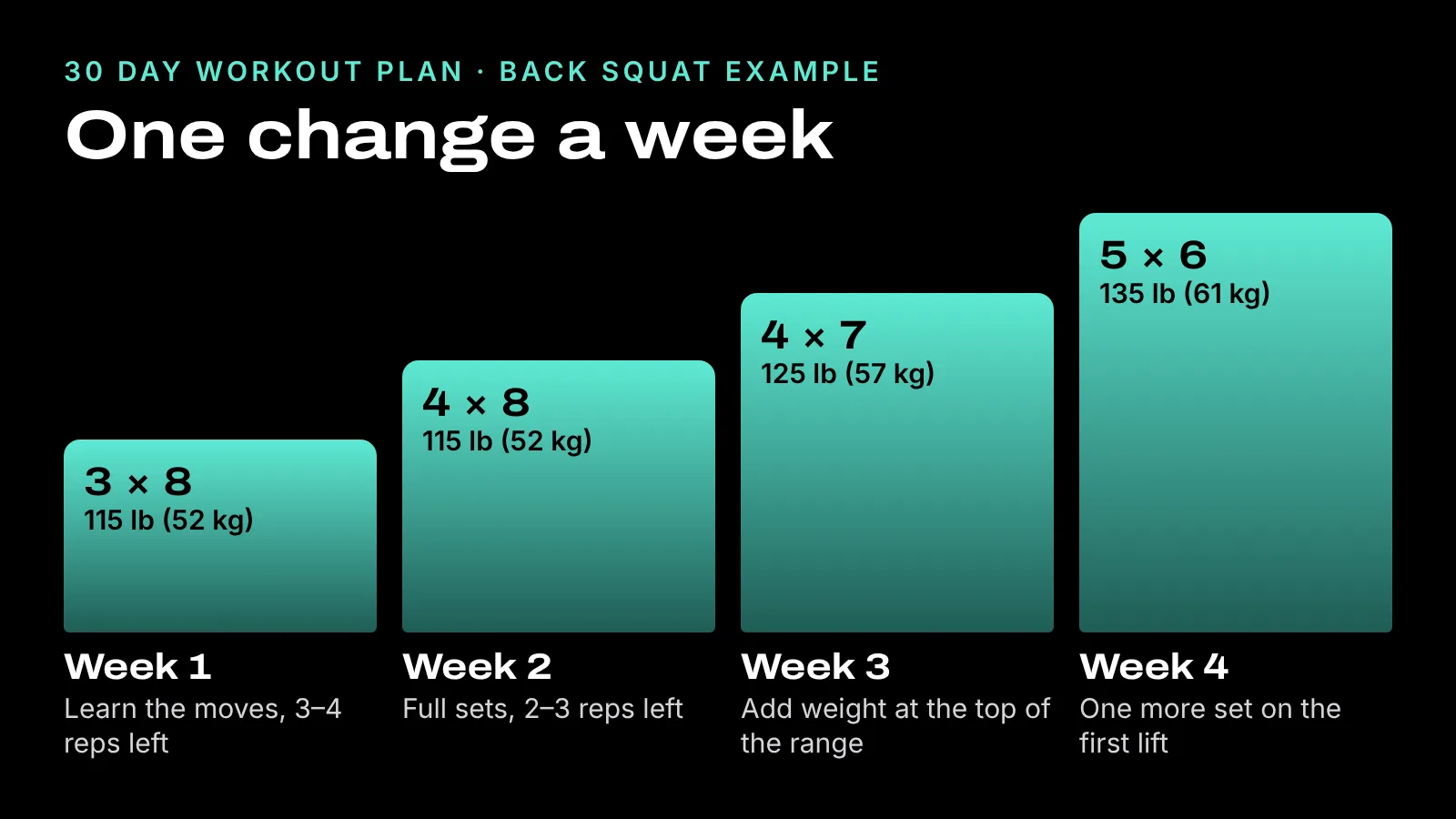
How to pick the weight, reps and rest
Pick a weight you could lift 2 or 3 more times when the set ends. That is the effort range the 2026 ACSM position stand points to: training to total failure did not consistently change results, so you don't need it.
| Situation | What to do |
|---|---|
| First session of a new move | Do one easy set of 10, then pick a weight you could lift about 12 times for the working sets |
| You hit the top of the rep range on every set | Add 5 lb (2 kg) on upper-body moves, 10 lb (4.5 kg) on squats, deadlifts and leg press |
| You miss the bottom of the range | Keep the weight and aim for one more rep next session |
| Two sessions in a row below the range | Take 10% off and build back up |
| Dumbbells jump too far, e.g. 25 lb (11 kg) to 30 lb (14 kg) | Add 1 or 2 reps per set first, then move up |
Already know your best lift on the squat or bench? The one rep max calculator turns it into working weights. For sets of 6 to 8, start near 75% of your one-rep max; for sets of 10 to 12, near 65 to 70%.
Reps and rest by type of move
The first lift of each day is heavy and slow; the last ones are lighter and quicker. Match the rest to the rep range so the next set starts fresh.
| Type of move | Examples | Reps | Rest |
|---|---|---|---|
| Main lift | Back squat, bench press, trap bar deadlift, barbell row | 5–8 | 2–3 min |
| Second lift | Romanian deadlift, incline dumbbell press, lat pulldown | 8–12 | 90 sec–2 min |
| Machine or cable move | Leg press, seated cable row, leg curl | 10–15 | 60–90 sec |
| Small muscle | Lateral raise, curl, pushdown, face pull | 12–15 | 60 sec |
| Core | Plank, hanging knee raise | 30–45 sec or 10–12 reps | 45–60 sec |
Put the heaviest move first. ACSM found strength was enhanced by lifts done at the beginning of a session, with 2 to 3 sets and heavier loads. That's why every day template starts with a squat, press, deadlift or row at 5 to 8 reps.
Swaps by equipment and situation
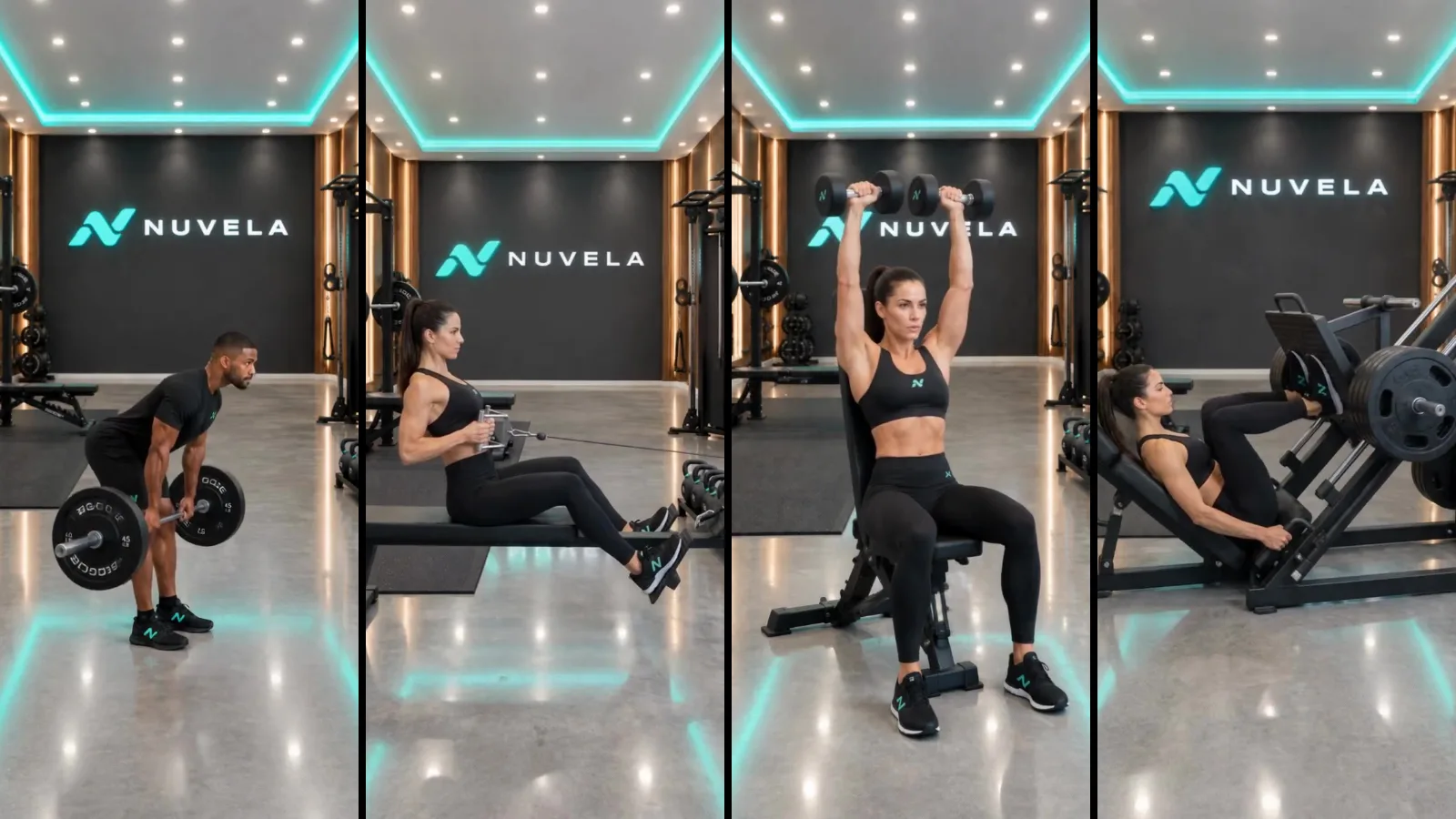
A routine survives a busy gym if you swap the move, not the day. The 2026 ACSM review found equipment type did not consistently change results, so a machine or dumbbell version keeps the same sets × reps.
| Main move | Gym machine | Dumbbells | Bands | Bodyweight |
|---|---|---|---|---|
| Back squat | Leg press or hack squat | Goblet squat | Band squat | Bodyweight squat, 15–20 reps |
| Bench press | Machine chest press | Dumbbell bench press | Band chest press | Push-up |
| Romanian deadlift | Back extension machine | Dumbbell Romanian deadlift | Band RDL | Single-leg RDL |
| Seated cable row | Machine row | One-arm dumbbell row | Band row | Inverted row under a table |
| Lat pulldown | Assisted pull-up | Dumbbell pullover | Band pulldown | Pull-up or chin-up |
| Shoulder press | Machine shoulder press | Seated dumbbell press | Band shoulder press | Pike push-up |
| Hip thrust | Hip thrust machine | Dumbbell hip thrust | Band hip thrust | Glute bridge |
When the problem is time or space, not equipment, use this:
| If this happens | Swap | Keep |
|---|---|---|
| No trap bar | Romanian deadlift with a barbell or dumbbells | 3 × 6–8 |
| Can't do pull-ups yet | Lat pulldown or assisted pull-up | 3 × 8–12 |
| On the road | Hotel gym version of the same day | Same order: legs, push, pull, core |
| Short on time | Cut the last move of the day, keep the first two | The heavy lifts |
| You missed a day | Do the missed day next, push the week back | The order of the days |
Home training only? The dumbbell workout plan uses the same structure. Traveling? The hotel gym workout fits any room. Use the swap rather than pushing through a move that feels off, and if a move doesn't feel right, check with a doctor before you keep training it.
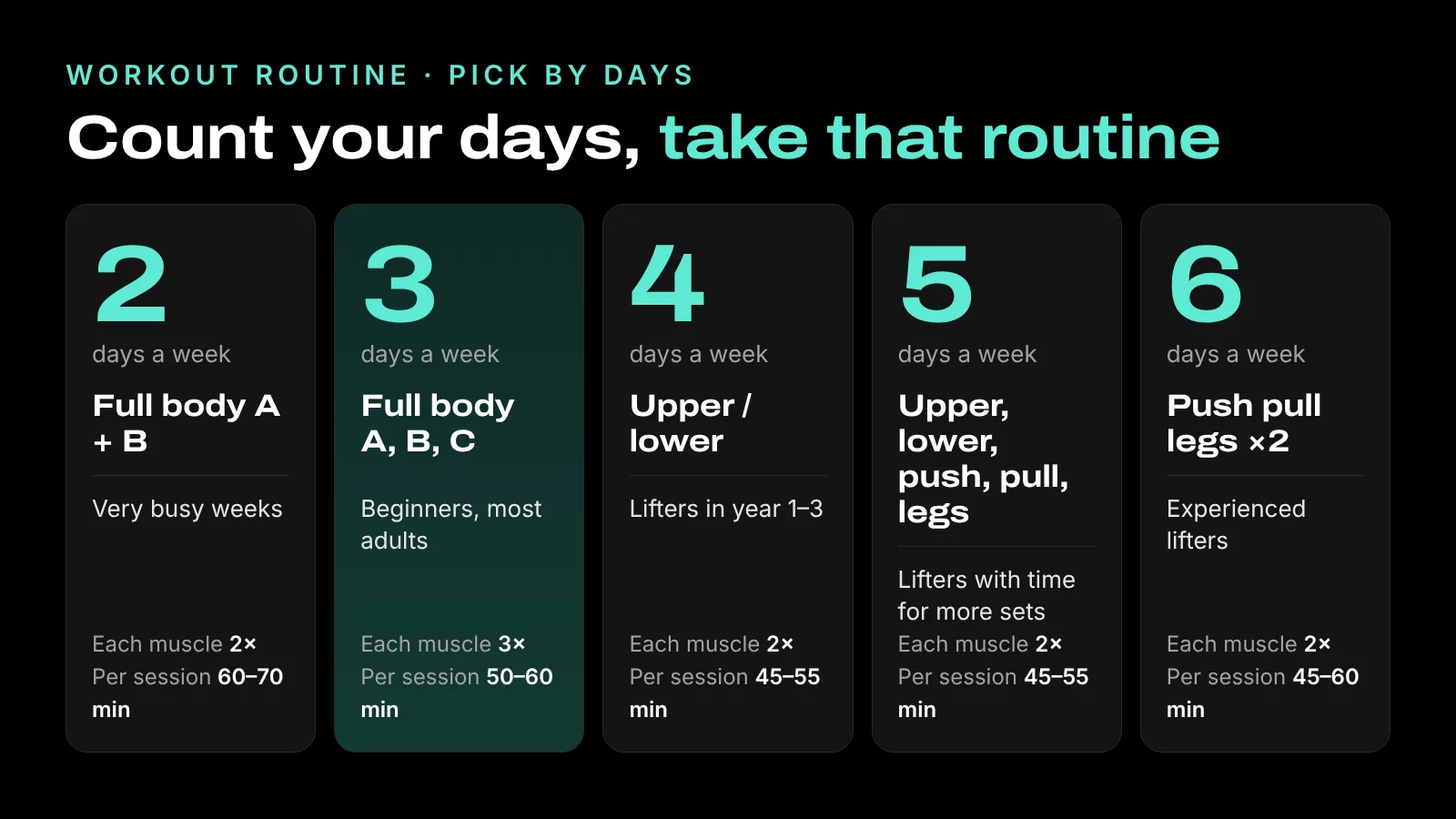
Which routine fits your week
Pick the number of days you can keep on your worst week, not your best one. A 3-day routine done every week beats a 5-day routine done twice a month.
| 2 days | 3 days | 4 days | 5 days | 6 days | |
|---|---|---|---|---|---|
| Best for | Very busy weeks, sports season | Beginners, most adults | Lifters in year 1–3 | Lifters with time who want more sets | Experienced lifters, long weeks |
| Hard sets per muscle a week | 6–8 | 9–12 | 10–14 | 12–16 | 14–18 |
| Cost of a missed day | Big | Small | Medium | Medium | Small |
| Weekly gym time | 2–2.5 hours | 2.5–3 hours | 3–3.5 hours | 4 hours | 5–6 hours |
3-day full body vs 4-day upper/lower
These two are the most common choices. Pick 3 days if you are new or your week is unpredictable; pick 4 days if you've lifted for a few months and want shorter sessions.
Good
- 3 days: each muscle three times a week, plenty of recovery days
- 3 days: easy to move a session when life gets in the way
- 4 days: more sets per muscle in less time per session
Keep in mind
- 3 days: sessions run close to an hour
- 4 days: two days in a row, so a missed Monday shifts the whole week
The 2- and 6-day routines sit at the edges. Two days works if you push every set hard and add a third session when you can. Six days works only if you sleep 7 hours or more and enjoy being in the gym; the bro split is a 5-day option that trains one muscle group a day.
Training with someone else? The gym workout plan for couples and partner workouts guides fit the same days to two people sharing a bench.
Routines by goal
The days decide the layout; your goal decides the reps and the extras. Keep the same day templates and change the rep ranges and cardio to fit what you want.
| Goal | Best routine | First lift of each day | Other moves | Cardio |
|---|---|---|---|---|
| Get stronger | 3-day full body or 4-day upper/lower | 4–5 sets × 3–6 reps | 2–3 × 8–10 | 1–2 easy sessions on rest days |
| Build muscle | 4-day upper/lower or 6-day push pull legs | 3–4 × 6–8 | 3 × 8–15, 10–20 sets per muscle a week | 1–2 easy sessions |
| General fitness | 3-day full body | 3 × 8–10 | 2–3 × 10–15 | 2–3 sessions, 150 min total |
| Sport or running | 2-day full body | 3 × 5 | 2 × 8–10 | Your sport plan comes first |
| Busy schedule | 2- or 3-day full body | 3 × 6–8 | 2 × 10–12, cut the last move if needed | Walks on other days |
The muscle-building row follows the ACSM finding that 10 or more weekly sets per muscle led to more growth. The how many sets per muscle group guide shows how to count yours.
If you run, ride or swim, do your key cardio sessions on separate days or after lifting. The Norwegian 4x4 workout is a good hard cardio day, and 20 minutes of easy, conversational cardio sits well after a lifting session.
The warm-up before every session
Spend 8 to 10 minutes: 5 minutes of easy cardio, 4 moving stretches, then 2 or 3 ramp-up sets of your first lift. The ramp-up sets matter most, because they rehearse the exact move you are about to load.
| Step | What to do | Time or reps |
|---|---|---|
| 1. Easy cardio | Bike, rowing machine or incline walk | 5 min |
| 2. Legs | Leg swings, front to back and side to side | 10 per leg each way |
| 3. Hips and back | World's greatest stretch | 5 per side |
| 4. Shoulders | Arm circles | 10 each way |
| 5. Whole body | Inchworm | 5 reps |
| 6. Ramp-up sets | First lift, lighter weights | 2–3 sets, below |
Example ramp-up for a working weight of 135 lb (61 kg) on the back squat:
- Empty bar, 45 lb (20 kg) × 8.
- 95 lb (43 kg) × 5.
- 115 lb (52 kg) × 3.
- Start your working sets at 135 lb (61 kg).
The second and third moves of the day need one light set at most. The stretches before workout guide has a full 10-minute version with every move.
The 7 day workout plan: a full sample week
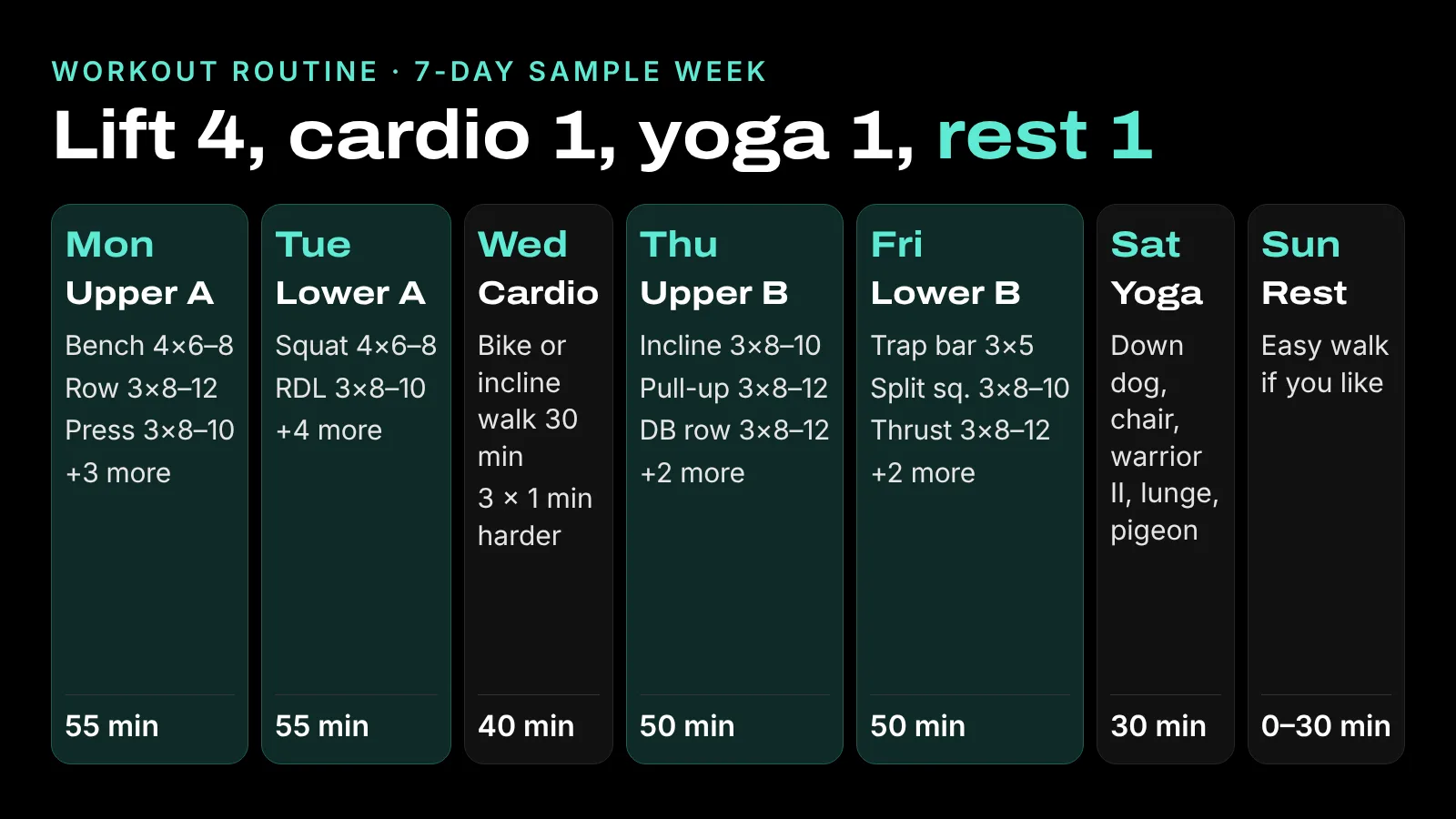
Here is the 4-day upper/lower routine laid out as a full 7 day workout plan, with one cardio day, one yoga session and one rest day. Lift four days, do cardio on one, yoga on one, and rest on one.
The weights are examples for a lifter in the first year of training. Yours will be different; use the rules above to set them.
| Day | Session | Moves, sets × reps | Minutes |
|---|---|---|---|
| Mon | Upper A | Bench press 4 × 6–8 at 115 lb (52 kg) · Seated cable row 3 × 8–12 · Dumbbell shoulder press 3 × 8–10 with 30 lb (14 kg) dumbbells · Lat pulldown 3 × 8–12 · Triceps pushdown 2 × 10–15 · Dumbbell curl 2 × 10–15 with 20 lb (9 kg) dumbbells | 55 |
| Tue | Lower A | Back squat 4 × 6–8 at 135 lb (61 kg) · Romanian deadlift 3 × 8–10 at 115 lb (52 kg) · Leg press 3 × 10–12 · Leg curl 3 × 10–12 · Calf raise 3 × 10–15 · Plank 2 × 30–45 sec | 55 |
| Wed | Cardio | Bike or incline walk at a pace you can talk at, 30 min · Then 3 rounds: 1 min harder, 2 min easy | 40 |
| Thu | Upper B | Incline dumbbell press 3 × 8–10 with 40 lb (18 kg) dumbbells · Assisted pull-up or lat pulldown 3 × 8–12 · One-arm dumbbell row 3 × 8–12 per arm with 45 lb (20 kg) · Dumbbell lateral raise 3 × 12–15 with 12 lb (5 kg) · Face pull 2 × 12–15 | 50 |
| Fri | Lower B | Trap bar deadlift 3 × 5 at 165 lb (75 kg) · Bulgarian split squat 3 × 8–10 per leg · Hip thrust 3 × 8–12 at 135 lb (61 kg) · Leg extension 2 × 12–15 · Hanging knee raise 2 × 10–12 | 50 |
| Sat | Yoga | Downward dog 3 × 30 sec · Chair pose 3 × 20 sec · Warrior II 2 × 30 sec per side · Low lunge 2 × 30 sec per side · Pigeon 2 × 45 sec per side · Child's pose 1 × 60 sec | 30 |
| Sun | Rest | Optional 20–30 min easy walk | 0–30 |
That week gives each big muscle about 10 to 14 hard sets, which matches the 10 or more weekly sets ACSM linked to more muscle growth.
The cardio day and the Sunday walk give you about 70 minutes of moderate activity. To reach the CDC's 150 minutes a week, add a second cardio session or a 20-minute walk on lifting days. If you'd rather do cardio on lifting days, do it after the weights; the cardio before or after weights guide explains why.
The yoga day keeps the poses slow and timed, like sets. For a harder version, use the session in yoga for strength, and each pose is shown in the Nuvela video for your plan.
The same week on 3 days
Only three days to train? Lift Monday, Wednesday and Friday, and put the cardio and yoga on Tuesday and Saturday.
| Mon | Tue | Wed | Thu | Fri | Sat | Sun |
|---|---|---|---|---|---|---|
| Full body A, 55 min | Cardio, 30–40 min | Full body B, 55 min | Rest or walk | Full body C, 55 min | Yoga, 30 min | Rest |
The 30 day workout plan: four weeks of progress
A 30 day workout plan is your routine run for four weeks with one small change each week. Start easy in week 1, add reps in week 2, add weight in week 3, and push the first lift in week 4.
| Week | Sets | Effort: reps left at the end of a set | What changes |
|---|---|---|---|
| Week 1 | 2 per move, 3 on the first move | 3–4 | Learn the moves, find and write down your weights |
| Week 2 | As written in the templates | 2–3 | Add 1 or 2 reps per set at the same weight |
| Week 3 | As written | 2–3 | Add 5 lb (2 kg) upper, 10 lb (4.5 kg) lower where you hit the top of the range |
| Week 4 | +1 set on the first move of each day | 1–2 on the last set | Keep adding weight where you can |
| Day 29–30 | Rest or yoga | — | Compare week 4 numbers with week 1 |
Example with the back squat:
| Week | Sets × reps | Weight |
|---|---|---|
| 1 | 3 × 8 | 115 lb (52 kg) |
| 2 | 4 × 8 | 115 lb (52 kg) |
| 3 | 4 × 7 | 125 lb (57 kg) |
| 4 | 5 × 6 | 135 lb (61 kg) |
Small steps, written down. After two or three of these 4-week blocks, plan a lighter week with half the sets. The deload week guide shows how.
Home and dumbbell versions of the routine
The day templates work at home if you keep the order: legs, push, pull, hinge, small muscles, core. With a pair of adjustable dumbbells, most moves have a direct match.
| Day | Dumbbell version, sets × reps | Bodyweight version, sets × reps |
|---|---|---|
| Full body A | Goblet squat 3 × 10–12 · Dumbbell bench press 3 × 8–12 · One-arm dumbbell row 3 × 10–12 per arm · Dumbbell RDL 3 × 10–12 · Lateral raise 2 × 12–15 · Plank 2 × 30–45 sec | Bodyweight squat 3 × 15–20 · Push-up 3 × 8–15 · Inverted row 3 × 8–12 · Single-leg RDL 3 × 10 per leg · Pike push-up 2 × 6–10 · Plank 2 × 30–45 sec |
| Full body B | Dumbbell split squat 3 × 10 per leg · Seated dumbbell press 3 × 8–10 · Dumbbell pullover 3 × 10–12 · Dumbbell hip thrust 3 × 10–12 · Dumbbell curl 2 × 10–12 | Reverse lunge 3 × 12 per leg · Pike push-up 3 × 6–10 · Towel row 3 × 10–12 · Glute bridge 3 × 15–20 · Dead bug 2 × 8 per side |
Dumbbells too light? Slow the lowering to 3 seconds and add reps up to 20 before you move up. Bodyweight moves progress the same way: more reps first, then a harder version, such as a push-up with your feet on a step.
For a full 3-day home program, see the dumbbell workout plan or the upper body dumbbell workout. For dumbbell-only days aimed at one area, the chest, back and arm guides go deeper.
Progressions: from first year to advanced
Change the routine only when progress stops for 2 to 3 weeks in a row, not when you get bored. Most lifters move through three stages.
| Stage | Typical routine | How weight goes up | Signs you're ready to move on |
|---|---|---|---|
| First 3–6 months | 3-day full body, 2–3 sets | Every week or two on most lifts | Weekly jumps stall on the main lifts |
| 6 months to 2 years | 4-day upper/lower, 3–4 sets | Add reps first, then weight (6–8 → 8 reps → add 5 lb (2 kg)) | You want more sets than 4 days allow |
| 2 years and more | 5-day or 6-day push pull legs, 4-week blocks | Over a block of 4 weeks, with a lighter week after | — |
The middle row uses double progression: stay at the same weight until every set reaches the top of the range, then add weight and start again at the bottom. It is the simplest method that keeps working for years.
Common mistakes and fixes
Most stalled routines fail for the same few reasons, and each has a simple fix.
| Mistake | Why it's a problem | Fix |
|---|---|---|
| New moves every week | You can't see if anything went up | Keep the same moves for 4–8 weeks |
| 8 or more moves a session | Sessions run long and the last moves get sloppy | Keep 5–6 moves, cut from the end |
| Every set to failure | Later sets drop off, recovery takes longer | Stop with 2–3 reps left; go close to failure only on the last set |
| Skipping leg days | Half the body gets half the work | Put legs first in the week |
| No log | You guess the weight each time | Write down weight, sets and reps, or let an app do it |
| Jumping from 0 to 6 days | Soreness piles up, sessions get missed | Start with 3 days, add one day every 4–8 weeks |
| Short rests on heavy lifts | Reps drop on set 2 and 3 | 2–3 min on main lifts, 60–90 sec on the rest |
Workout routine for men and women
The same routine works for men and women. The muscles, sets and progression rules are the same; only the weights and the moves you choose to emphasize differ.
| If you want | Change this | Keep this |
|---|---|---|
| A gym routine for men focused on chest, back and arms | Add 2 sets of curls and 2 of pushdowns on Upper B | Twice a week for legs |
| More glute and leg work | Add hip thrust 3 × 8–12 to every lower day | Upper days, 2 per week |
| A beginner gym workout, male or female | Use the 3-day full body routine, week 1 rules for two weeks | 2 sets per move at first |
| One muscle a day | Use the bro split | 10+ sets per muscle a week |
For more lower-body volume in a 3, 4 or 5-day week, see the workout split for women. For more chest and arm work in one session, the chest and tricep workout slots into a push day.
How long each session takes
Plan 45 to 60 minutes per lifting session, including the warm-up. Most of that time is rest between sets.
| Routine | Hard sets per session | Minutes with warm-up |
|---|---|---|
| 2 days, full body | 15–16 | 60–70 |
| 3 days, full body | 14–15 | 50–60 |
| 4 days, upper/lower | 16–18 | 45–55 |
| 5 days | 16–17 | 45–55 |
| 6 days, push pull legs | 16 | 45–60 |
Short on time? Do the first three moves of the day and stop. The how long should a workout be guide has 30 and 45-minute versions.
How Nuvela builds your routine
Nuvela builds your week from a few questions: your goal, experience, where you train, and your days and minutes. It covers what you need in one place:
- The gym, home, no equipment, or on the road; snap your gear and it reads photos of your equipment.
- Every weight set for you and adjusted as you log, so week 3 of the 30-day plan happens without a spreadsheet.
- Swap any move, with a video for every move in your plan.
- Strength, cardio and yoga in one weekly plan; you choose the mix, with yoga sessions from 15 to 60 minutes.
Open the workout planner to see the routine that fits your days.
More questions about workout routines
Should I do the same workout routine every week?
Yes, for at least 4 weeks and often 8 to 12. Repeating the same moves is how you see the weight go up. Change one exercise at a time when a lift stalls for 2 to 3 weeks.
Can I mix cardio and lifting in one routine?
Yes: lift first, then 10 to 20 minutes of cardio, or put cardio on separate days. The 7-day sample week above shows one layout that reaches the CDC's 150 minutes with a few short add-ons.
What order should the exercises go in?
Big lifts first, small muscles and core last. A squat, press, deadlift or row goes first while you are fresh, then machines and cables, then curls, raises and planks.
How do I know my routine is working?
Your log shows more reps or more weight on the main lifts every 1 to 2 weeks. If the first lift of each day hasn't moved in 3 weeks, check sleep and missed sessions first, then take a deload week.
Common questions
What is a good workout routine for the gym?
One that trains every major muscle at least twice a week, with 2 to 4 sets per move, in the number of days you can keep. For most adults that's 3 full-body days or 4 upper/lower days.
What is a good gym routine for men who are beginners?
The 3-day full body routine: A, B and C on Monday, Wednesday and Friday. Start with 2 sets per move and light weights for the first week, then follow the 30-day plan. Women can use the same routine.
Is it OK to follow a 7 day workout plan with no rest?
Train hard on 4 to 6 days and keep at least one day for rest or an easy walk. In the sample week, the yoga and cardio days are lighter, so you move every day without lifting every day.
How do I make a 30 day workout plan?
Keep the same routine for four weeks and change one thing each week: week 1 light, week 2 more reps, week 3 more weight, week 4 one extra set on the first lift.
How many days a week should I work out?
At least 2 days of strength work, per the CDC, and 3 to 4 if you want steady progress. Add cardio so you reach about 150 minutes of moderate activity a week.
Sources
- CDC, Adult Activity: An Overview (Physical Activity Guidelines for Americans, 2nd edition). Adults need 150 minutes of moderate activity a week, plus at least 2 days of muscle-strengthening work for legs, hips, back, abdomen, chest, shoulders and arms.
- American College of Sports Medicine Position Stand, Resistance Training Prescription for Muscle Function, Hypertrophy, and Physical Performance in Healthy Adults: An Overview of Reviews, Medicine and Science in Sports and Exercise (2026). 137 systematic reviews, more than 30,000 participants: strength was enhanced by 2 to 3 sets, heavier loads, lifts at the start of a session and 2 or more sessions a week; muscle growth by 10 or more sets a week.
- Ramos-Campo and colleagues, Efficacy of Split Versus Full-Body Resistance Training on Strength and Muscle Growth: A Systematic Review With Meta-Analysis, Journal of Strength and Conditioning Research (2024). 14 studies, 392 participants: with volume equated, split and full-body routines gave similar strength gains and muscle growth; pick by preference.
- Schoenfeld and colleagues, Effects of Resistance Training Frequency on Measures of Muscle Hypertrophy: A Systematic Review and Meta-Analysis, Sports Medicine (2016). Training a muscle twice a week led to more growth than once a week on equal volume (effect size 0.49 vs 0.30).
Related guides
- 3 Day Workout Split: Best Layouts and a Full Plan
- Dead Bug Exercise: How to Do It, Sets and Reps
- Workout Split: How to Pick the Right One
Exercises in this guide
- Back squat
- Barbell bench press
- Seated cable row
- Dumbbell lateral raise
- Plank
- Seated dumbbell shoulder press
- Lat pulldown
- Leg press
- Dumbbell curl
- Bulgarian split squat
- Incline dumbbell press
- One-arm dumbbell row
- Barbell hip thrust
- Face pull
- Hanging knee raise
- Lying leg curl
- Standing calf raise machine
- Barbell Romanian deadlift
- Pull-up
- Hack squat
- Goblet squat
- Bodyweight squat
- Machine chest press
- Dumbbell bench press
- Push-up
- Dumbbell Romanian deadlift
- Single-leg RDL
- Machine row
- Band row
- Inverted row
- Dumbbell pullover
- Chin-up
- Machine shoulder press
- Dumbbell hip thrust
- Glute bridge
- Rowing machine
- Leg swings
- World's greatest stretch
- Arm circles
- Inchworm
- Leg extension
- Downward dog
- Chair pose
- Low lunge
- Pigeon pose
- Child's pose
- Dumbbell split squat
- Dead bug
Try 7 days, no card needed
