
The plan
One chest session, 40 to 50 minutes, done twice a week. Two sessions give you about 30 hard chest sets a week, well above the 10 weekly sets the 2026 ACSM position stand links with more muscle growth. If you are new to lifting, start with 2 sets per move and build up.
Rules that make it work:
- Press first, fly second, push-ups last. Heavy work gets your freshest arms.
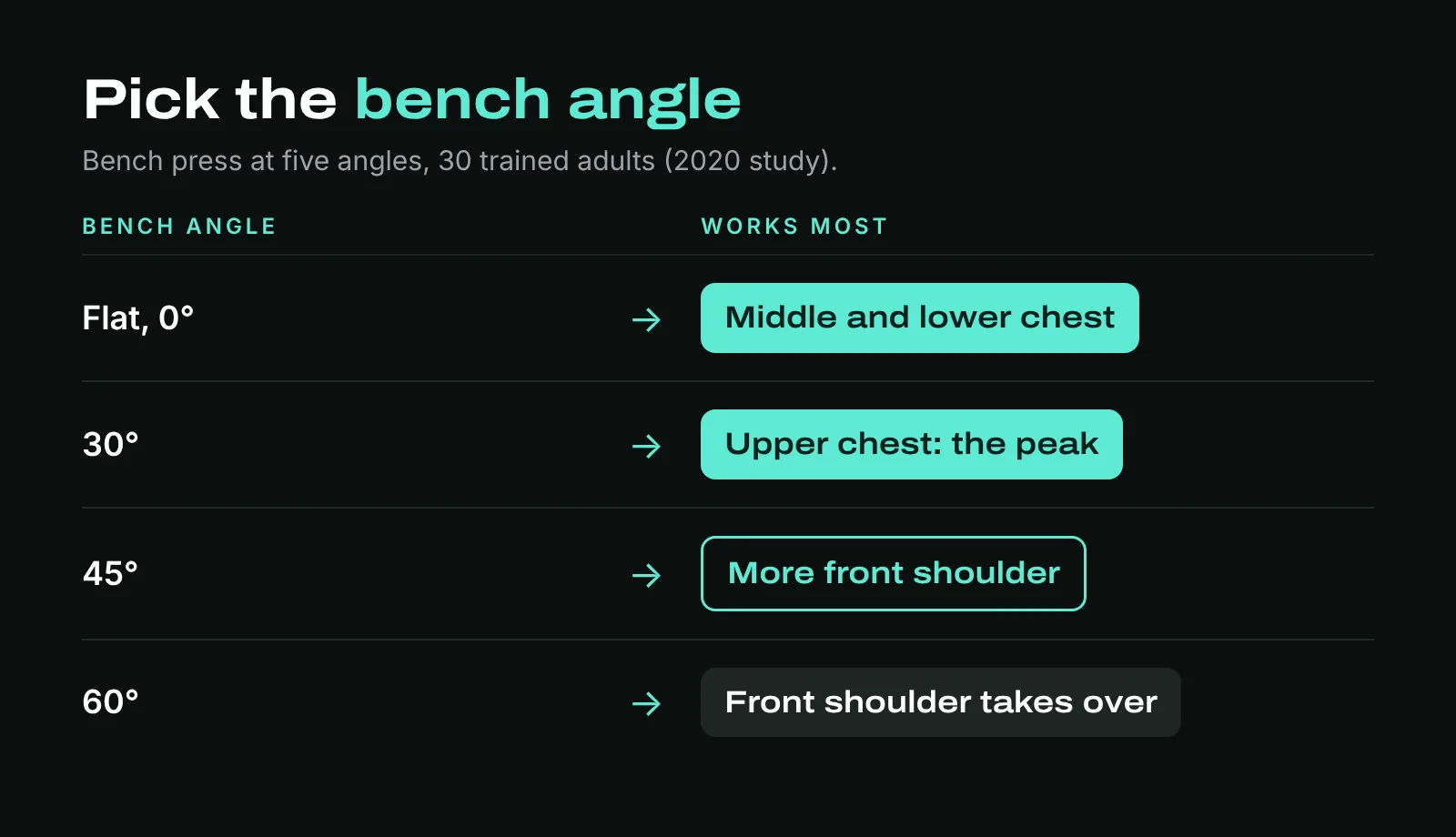
- Two angles. Flat for the middle and lower chest, about 30 degrees for the upper chest. That is where each part was most active in a 2020 study of five bench angles.
- Rest 90 seconds to 2 minutes on presses. A 2024 meta-analysis found a small benefit to resting more than 60 seconds, and no clear gain past 90.
- End each set with 1 to 3 reps left. Lower each rep for about two seconds, down to chest level.
Home version: one pair of adjustable dumbbells
You need adjustable dumbbells and a bench that inclines. A flat bench works too: use the incline swap in the table below.
| # | Exercise | Sets × reps | Rest |
|---|---|---|---|
| 1 | Flat dumbbell bench press | 4 × 8–10 | 2 min |
| 2 | Incline dumbbell press, bench at 30° | 3 × 8–12 | 90 s |
| 3 | Flat dumbbell fly | 3 × 10–12 | 90 s |
| 4 | Dumbbell pullover | 2 × 10–12 | 60 s |
| 5 | Push-up | 3 × 10–20 | 60 s |
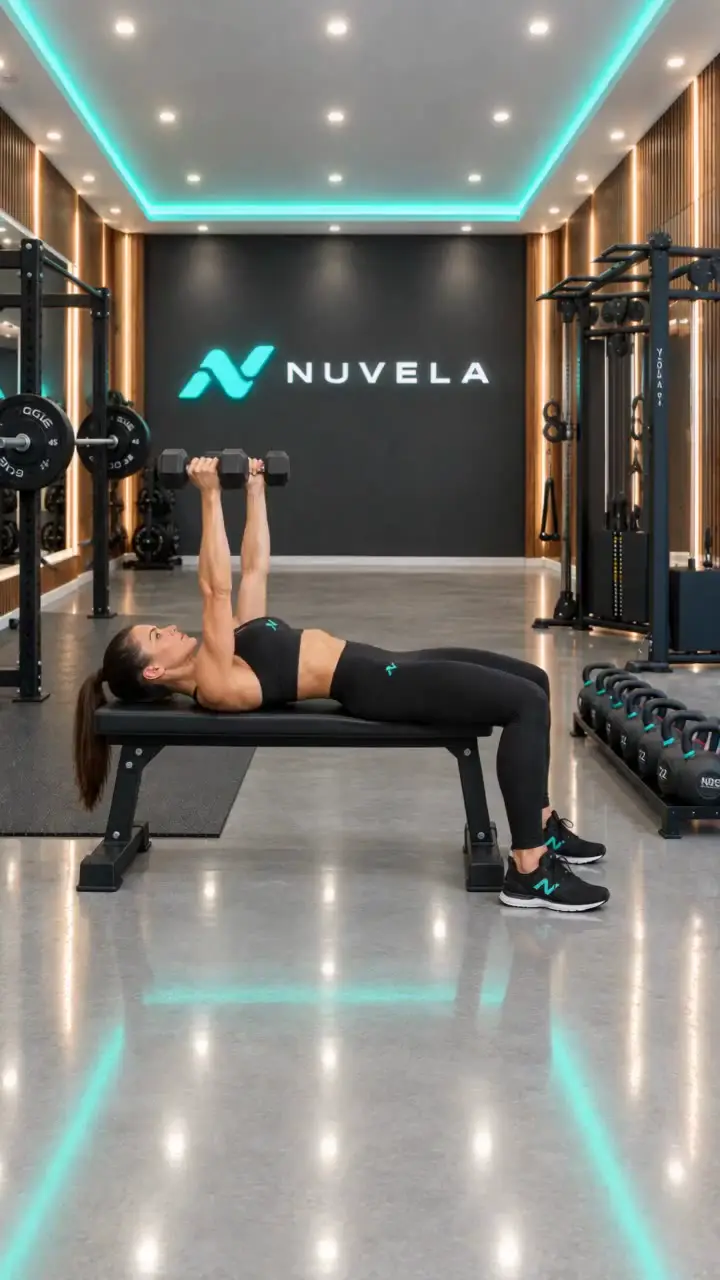
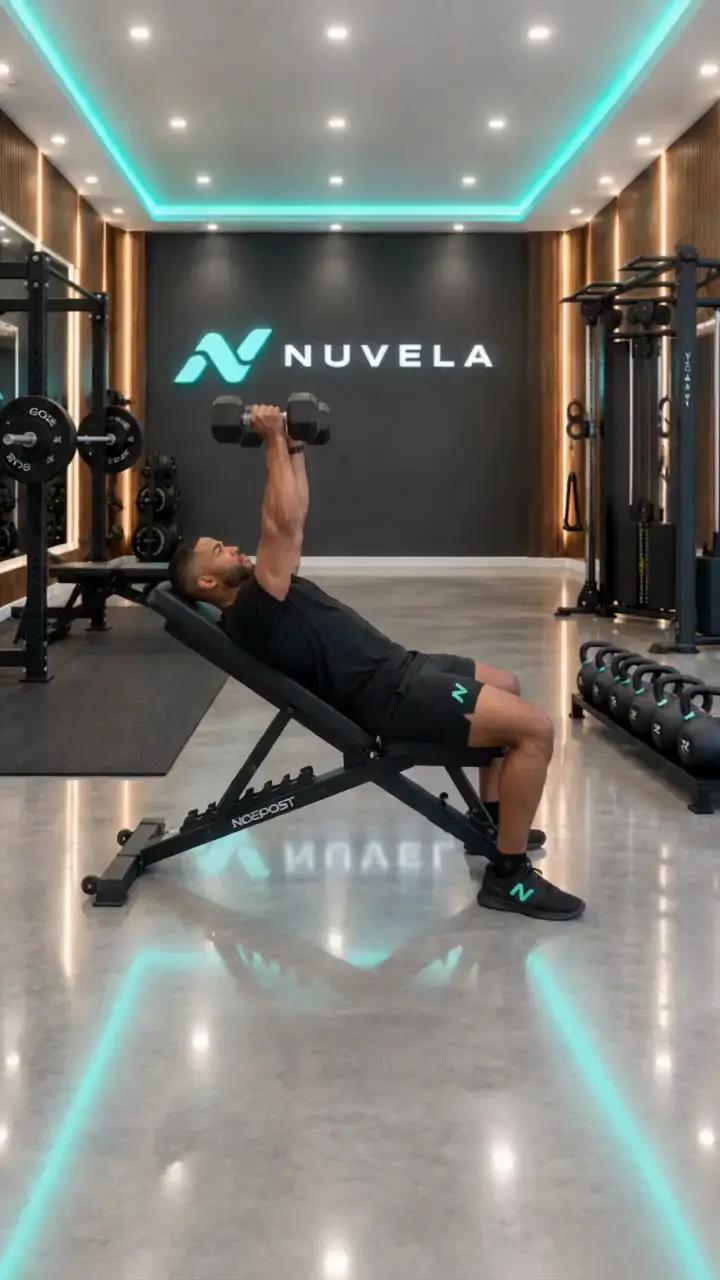
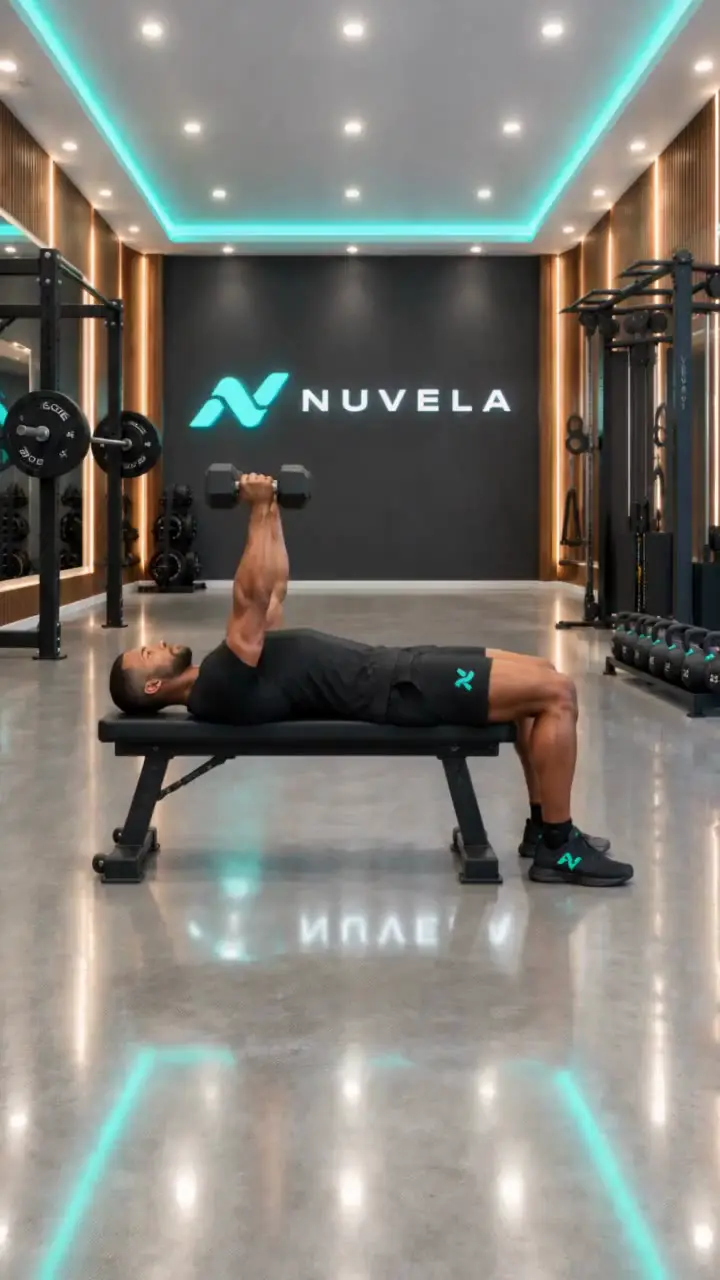
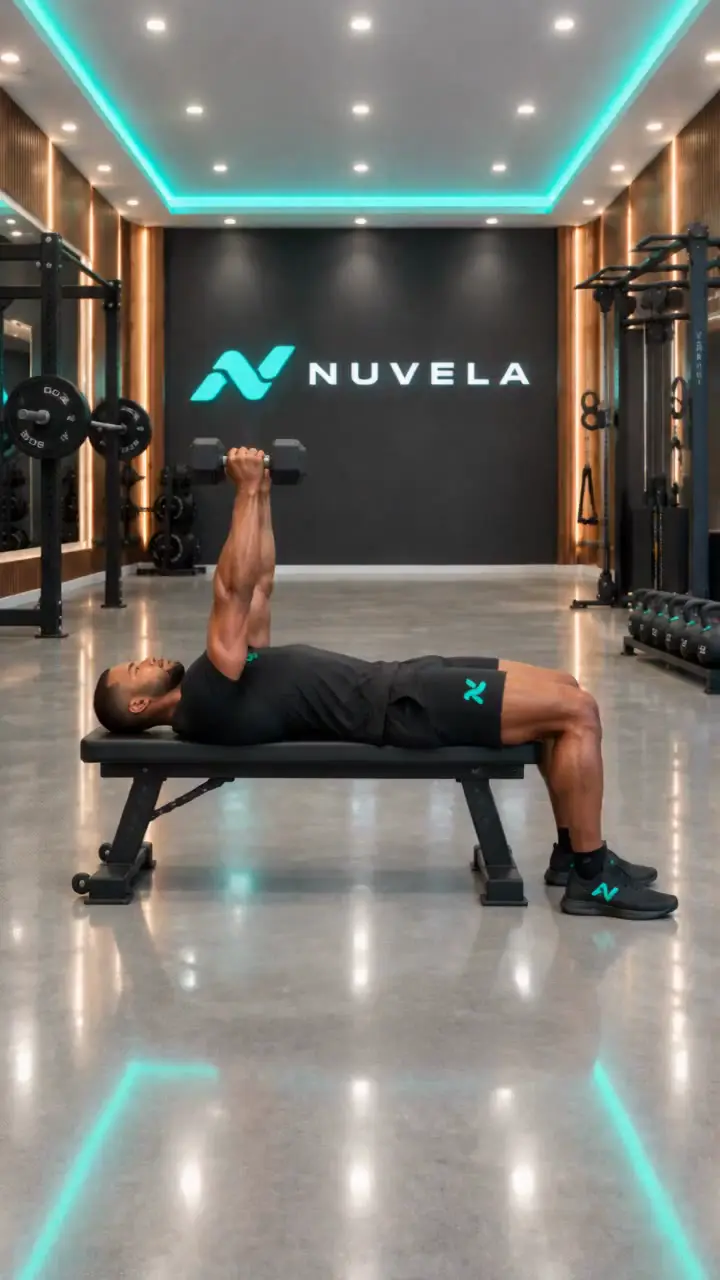
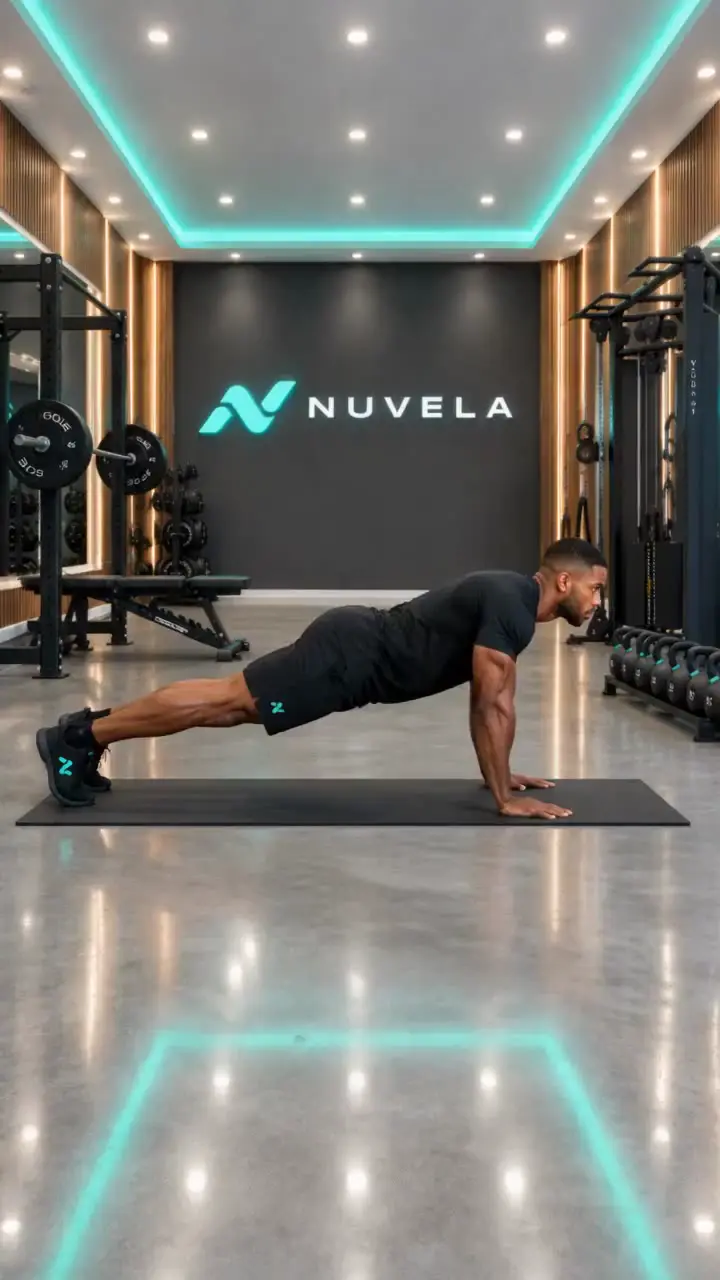
The order follows the weight, so you change the dials four times per session, not every set. Push-ups at the end need no weight at all. Stop each push-up set with 1 or 2 reps left.
Gym version: a full dumbbell rack
With a rack you can lead with the upper chest and go heavier on both presses.
| # | Exercise | Sets × reps | Rest |
|---|---|---|---|
| 1 | Incline dumbbell press, bench at 30° | 4 × 6–10 | 2 min |
| 2 | Flat dumbbell bench press | 3 × 8–10 | 2 min |
| 3 | Incline dumbbell fly, bench at 30° | 3 × 10–12 | 90 s |
| 4 | Squeeze press, dumbbells pressed together | 3 × 10–12 | 90 s |
| 5 | Push-up on dumbbell handles | 3 × 10–20 | 60 s |
The dumbbell handles let your chest sink a little lower than the floor allows. Keep the dumbbells on the floor with the handles parallel so they don't roll.
Pair this day with the rows in our back workouts with dumbbells and you have a full upper body.
Get this week built for your gym.
Plan your workout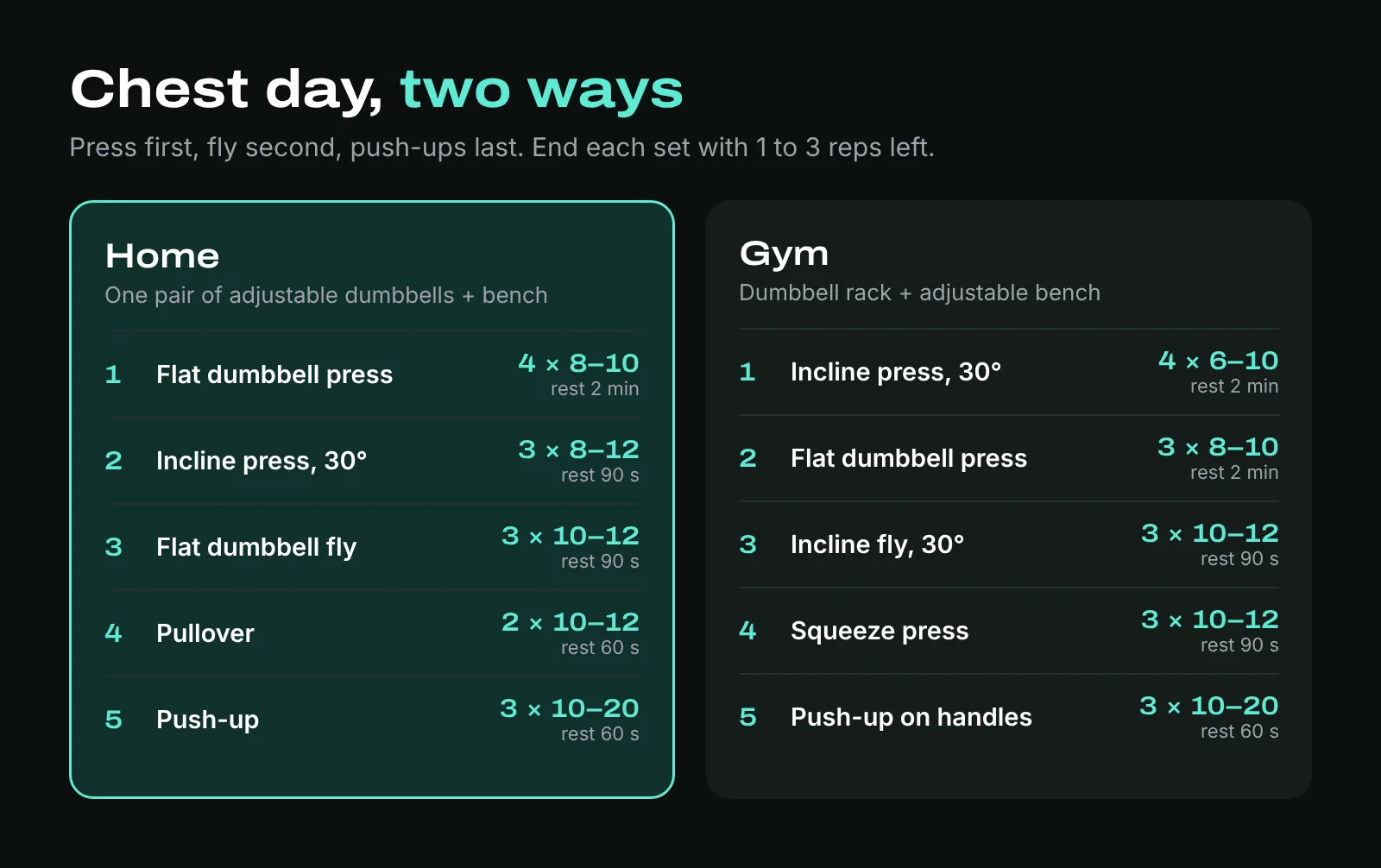
How to pick the weight for dumbbell presses
Dumbbells take less total weight than a barbell. In a 2011 study of trained men, the dumbbell press max was 17% lower than the barbell max, while chest and front shoulder activity was the same. So you don't lose chest work by going lighter.
Use that to find a starting point:
| If you barbell bench | Try each dumbbell at | For |
|---|---|---|
| 95 lb (43 kg) for 8–10 reps | about 40 lb (18 kg) | 8–10 reps |
| 135 lb (61 kg) for 8–10 reps | about 55 lb (25 kg) | 8–10 reps |
| 185 lb (84 kg) for 8–10 reps | about 75 lb (34 kg) | 8–10 reps |
| Never benched | 15–25 lb (7–11 kg) | 10–12 reps |
That's roughly the barbell weight times 0.83, split in two and rounded down. Treat the first set as a test: if you can clearly do 4 or more extra reps, go up. If you can't reach the bottom of the range with good form, go down.
From there, progress like this:
- Hit the top of the range on every set with 1 or 2 reps left: add the smallest step, usually 5 lb (2 kg) per dumbbell.
- Inside the range: same weight, aim for 1 more rep per set.
- Fewer reps than the range: go down 5 lb (2 kg) and build back up.
- Flies stay light. Pick about half of your press weight and stop where you feel a stretch, not deeper.
Getting heavy dumbbells into place matters too. Sit on the end of the bench with the dumbbells on your thighs, lie back and use your knees to help them up. At the end of a set, bring them to your chest and sit up the same way.
Swaps for every chest move
If you don't have the gear, or a move doesn't feel right, use the swap. Keep the same sets and reps.
| If you planned | Swap to | When |
|---|---|---|
| Flat dumbbell bench press | Dumbbell floor press, 4 × 8–10 | No bench at home |
| Incline dumbbell press | Push-up with feet on a bench, 3 × 10–15 | Flat bench only |
| Flat dumbbell fly | Squeeze press, 3 × 10–12 | The stretch at the bottom doesn't feel right |
| Incline dumbbell press | Neutral-grip incline press, palms facing | Your shoulders feel crowded |
| Pullover | One more set of flies | You want more chest, less lats |
| Push-up | Kneeling push-up, 3 × 10–15 | You can't get 8 full push-ups |
| Any dumbbell press | Barbell or machine press at the gym | Dumbbells are taken |
That last swap is fine. In the 2026 ACSM position stand, the type of equipment did not consistently change results.
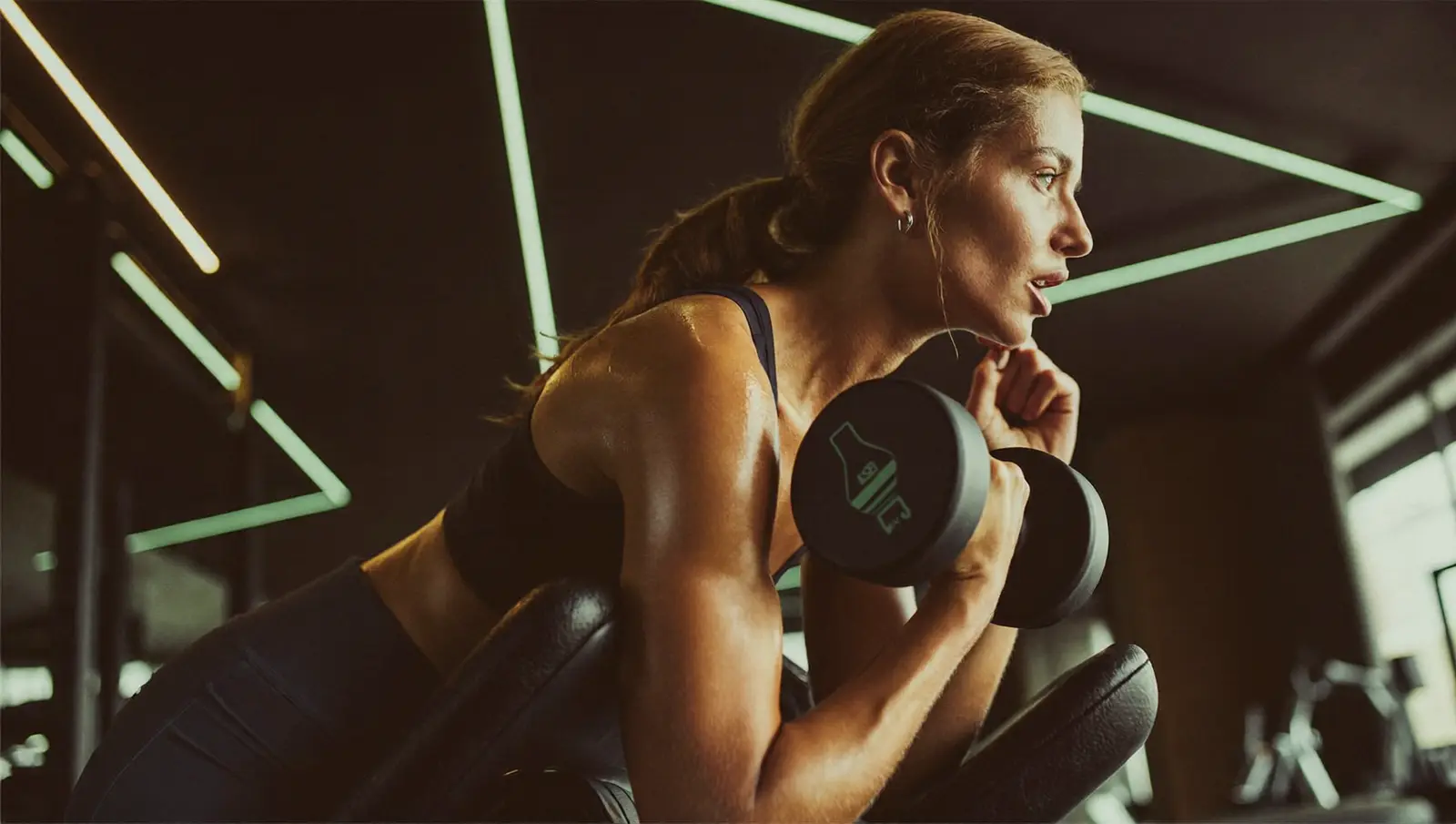
How Nuvela builds your chest day
Tell Nuvela your goal, your experience, where you train and how many days and minutes you have, and it builds your week. Snap a photo of your dumbbells and bench, and the plan sticks to what you own: no incline bench, no incline press. It sets every weight and adjusts it as you log, so it makes the "add 5 lb (2 kg)" call. Any move swaps in one tap, and each move in your plan comes with a video. Training with a friend? Train Together gives you the same workout with your own weights. To try it with your own answers, build your week.
Building a full week around this? The dumbbell workout plan runs three days with one pair, and the chest and tricep workout adds a push day with cables, to pair with it.
Common questions
Can you build a big chest with just dumbbells?
Yes. Chest activity in the dumbbell press matched the barbell press in a 2011 study, and the 2026 ACSM position stand found the type of equipment did not consistently change results. What matters more is 10 or more hard sets a week and adding weight or reps over time.
Are dumbbell presses better than barbell bench presses?
Not better, different. Dumbbells give each arm its own path and a longer stretch. The barbell lets you lift about 17% more total weight and uses more triceps. Both work the chest the same, so pick what you have.
What incline angle is best for upper chest?
About 30 degrees. In a 2020 study of five bench angles, upper chest activity peaked at 30 degrees. Above 45 degrees the front shoulder took over more of the work.
How many sets should I do for chest per week?
At least 10 hard sets a week, split over two sessions. The plan above gives 15 or 16 sets per session, so beginners can start with 2 sets per move and still clear 10 a week.
How heavy should dumbbells be for chest press?
Heavy enough that you end each set with 1 to 3 reps left in the 8 to 12 range. If you know your barbell bench, start each dumbbell at about 40% of that weight and adjust after the first set.
Sources
- A comparison of muscle activity and 1-RM strength of three chest-press exercises with different stability requirements, Journal of Sports Sciences (2011). 12 trained men: dumbbell 1RM was 17% lower than barbell and 14% lower than Smith machine; pectoralis major and front delt activity did not differ; triceps activity was lower with dumbbells.
- Effect of Five Bench Inclinations on the Electromyographic Activity of the Pectoralis Major, Anterior Deltoid, and Triceps Brachii during the Bench Press Exercise, International Journal of Environmental Research and Public Health (2020). 30 trained adults: upper chest activity peaked at 30 degrees; middle and lower chest were highest flat; above 45 degrees the front delt took over.
- ACSM Position Stand, Resistance Training Prescription for Muscle Function, Hypertrophy, and Physical Performance in Healthy Adults, Medicine and Science in Sports and Exercise (2026). More muscle growth with 10 or more sets per week; strength gains with 2 or more sessions a week; equipment type did not consistently change outcomes.
- Give it a rest: a systematic review with Bayesian meta-analysis on the effect of inter-set rest interval duration on muscle hypertrophy, Frontiers in Sports and Active Living (2024). 9 studies: a small benefit to resting more than 60 seconds between sets, and no clear difference once rest went past 90 seconds.
Related guides
- Back Workouts With Dumbbells: Home and Gym Plan
- Chest and Tricep Workout: 6 Moves, Sets and Reps
- Push Pull Legs: 6-Day PPL Plan With Sets and Reps
Try 7 days, no card needed

