
The plan
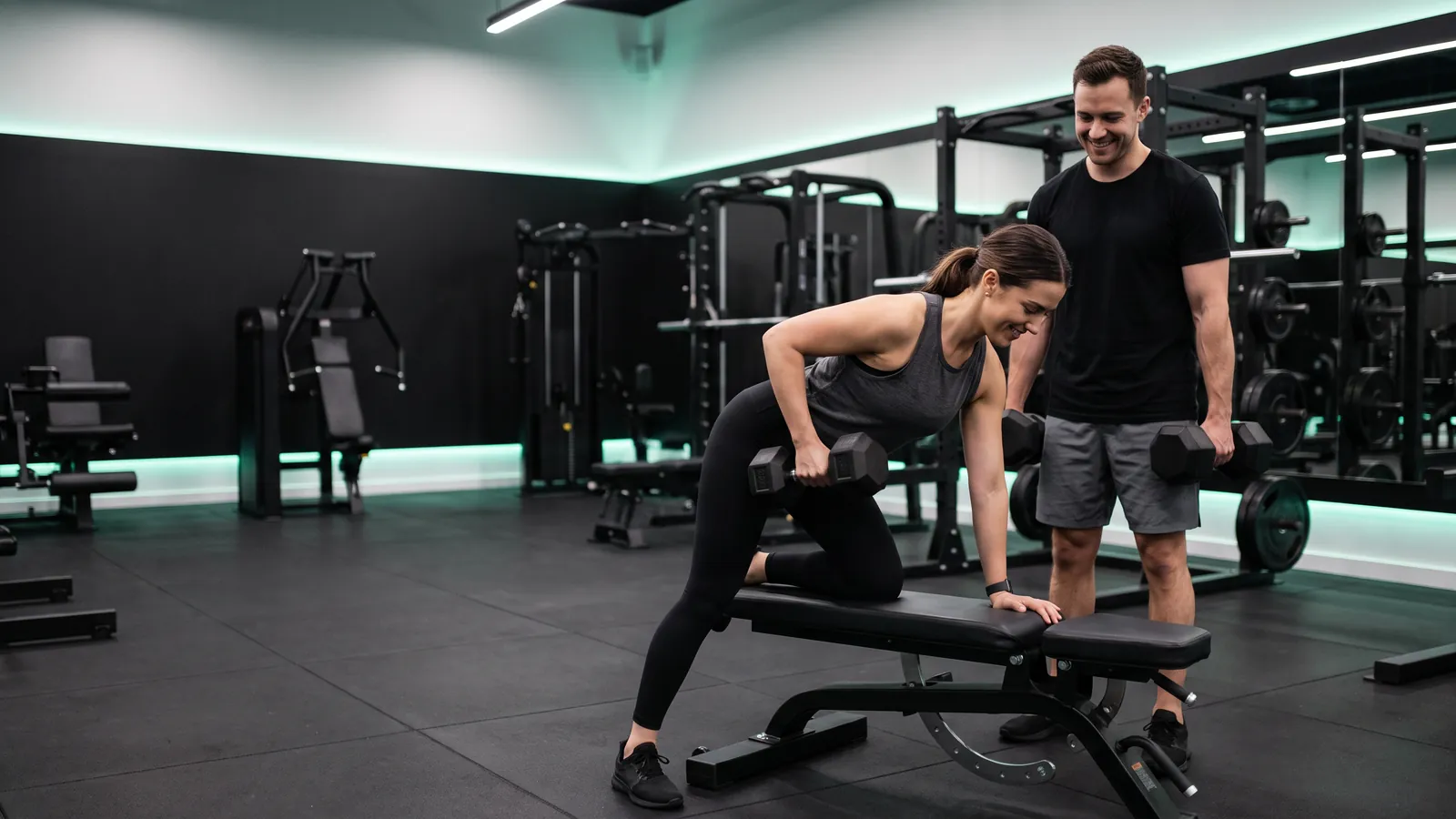
Three days a week, six moves a day, 3 sets each (2 on the last two moves). Swap turns after every set. Stop each set with about 2 to 3 reps left in the tank, which is the effort target in the 2026 ACSM position stand. Every major muscle group gets trained on all three days, more than the ACSM minimum of twice a week. Plan on roughly an hour together, warm-up included.
The rules that make it work:
- Same moves, own weights. Match each other's effort, not each other's numbers.
- One station, alternating sets. While one of you lifts, the other rests. You hold one bench instead of two.
- Pick gear that changes fast. Dumbbells, cables and machines switch weight in seconds. A barbell with very different loads means re-plating every set.
- Book it. Clashing work schedules were a barrier couples named in a 2025 study, so put the three days on a shared calendar.
Day A (Monday): squat and push
| Exercise | Sets × reps | Shared station tip |
|---|---|---|
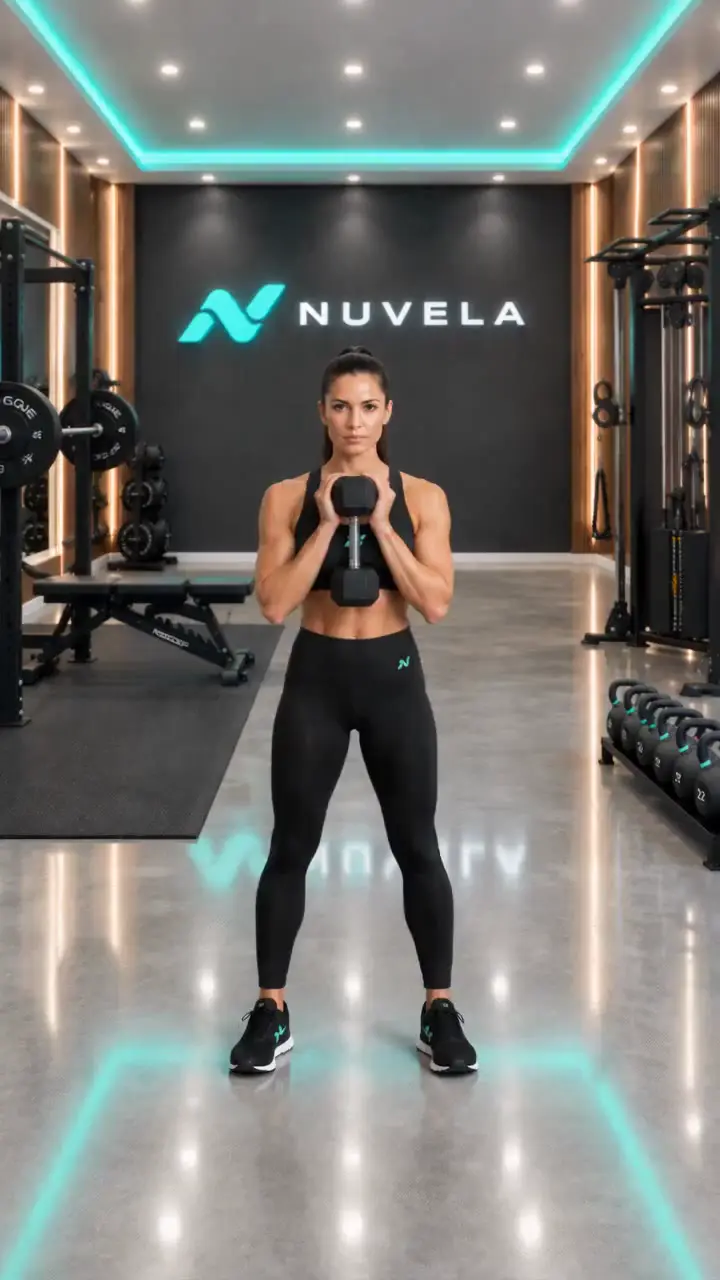
| Goblet squat | 3 × 8–12 | Two dumbbells side by side, one each |
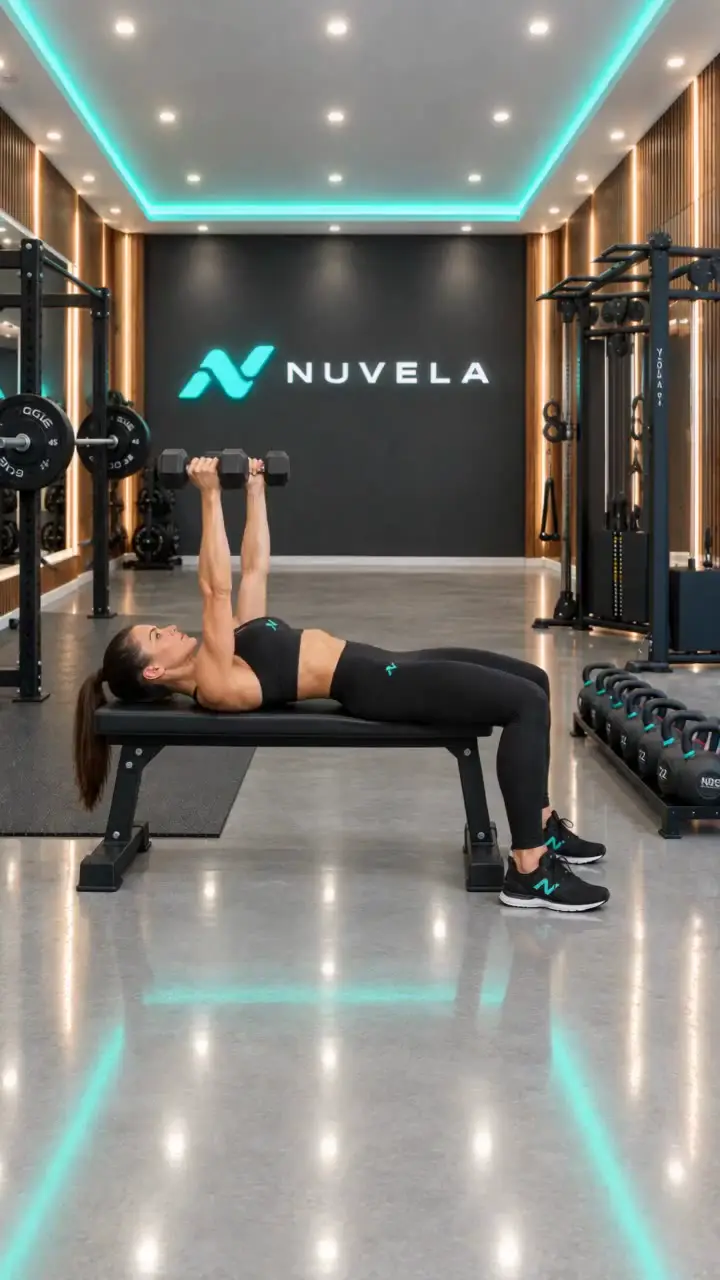
| Dumbbell bench press | 3 × 8–12 | One bench, alternate sets |
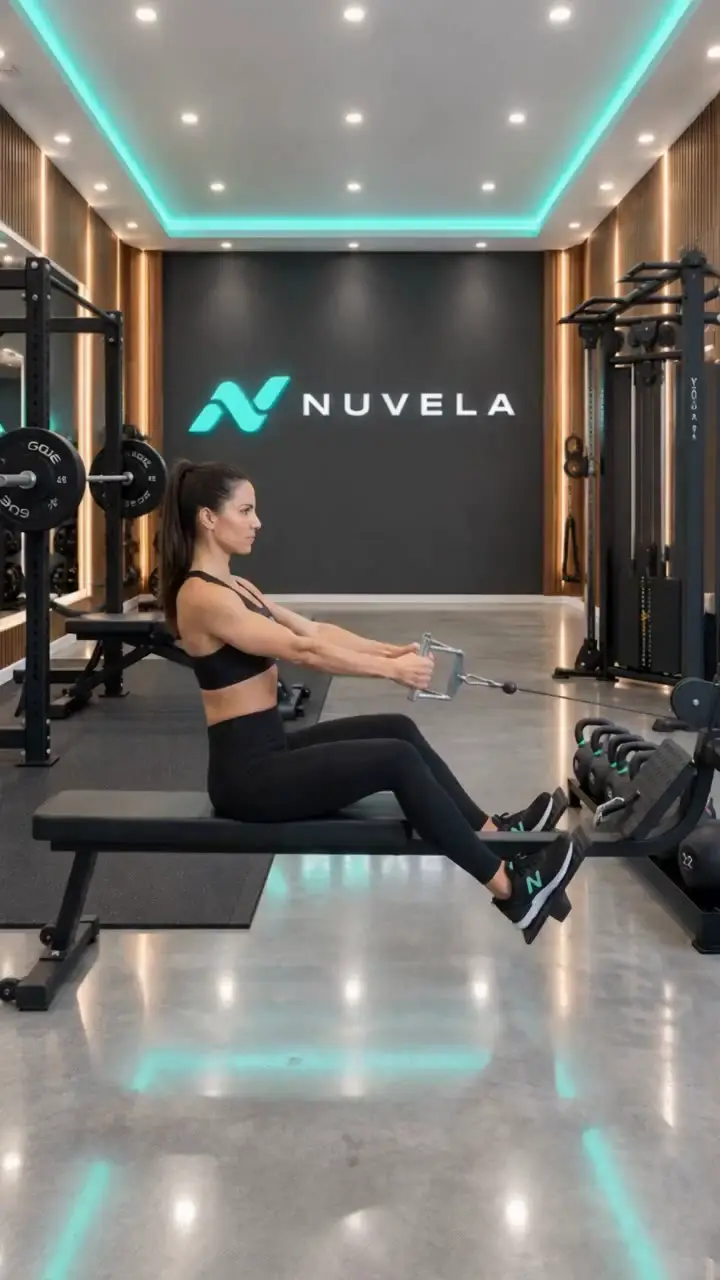
| Seated cable row | 3 × 10–12 | Move the pin between turns |
| Reverse lunge | 3 × 8 per leg | Bodyweight first, then dumbbells |
| Dumbbell shoulder press | 2 × 10–12 | Same bench, seat upright |
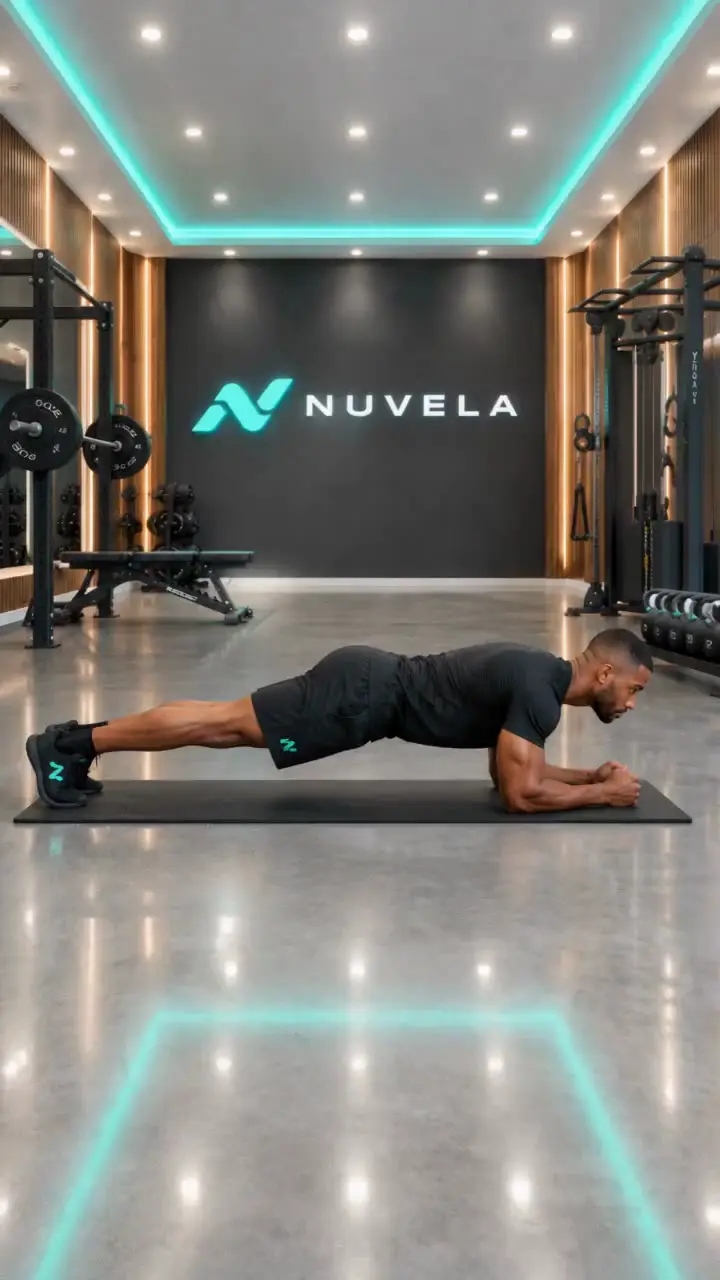
| Plank | 2 × 30–45 sec | Side by side, together |
Day B (Wednesday): hinge and pull
| Exercise | Sets × reps | Shared station tip |
|---|---|---|
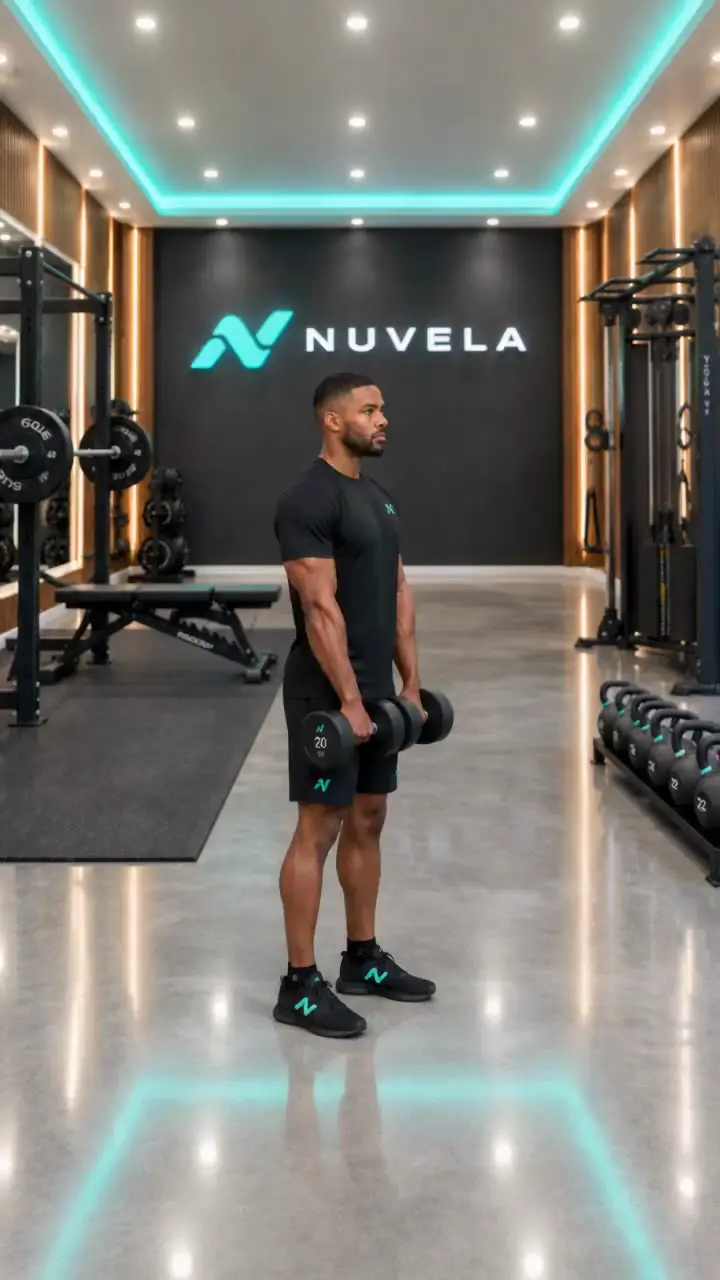
| Dumbbell Romanian deadlift | 3 × 8–12 | Own dumbbells, alternate sets |
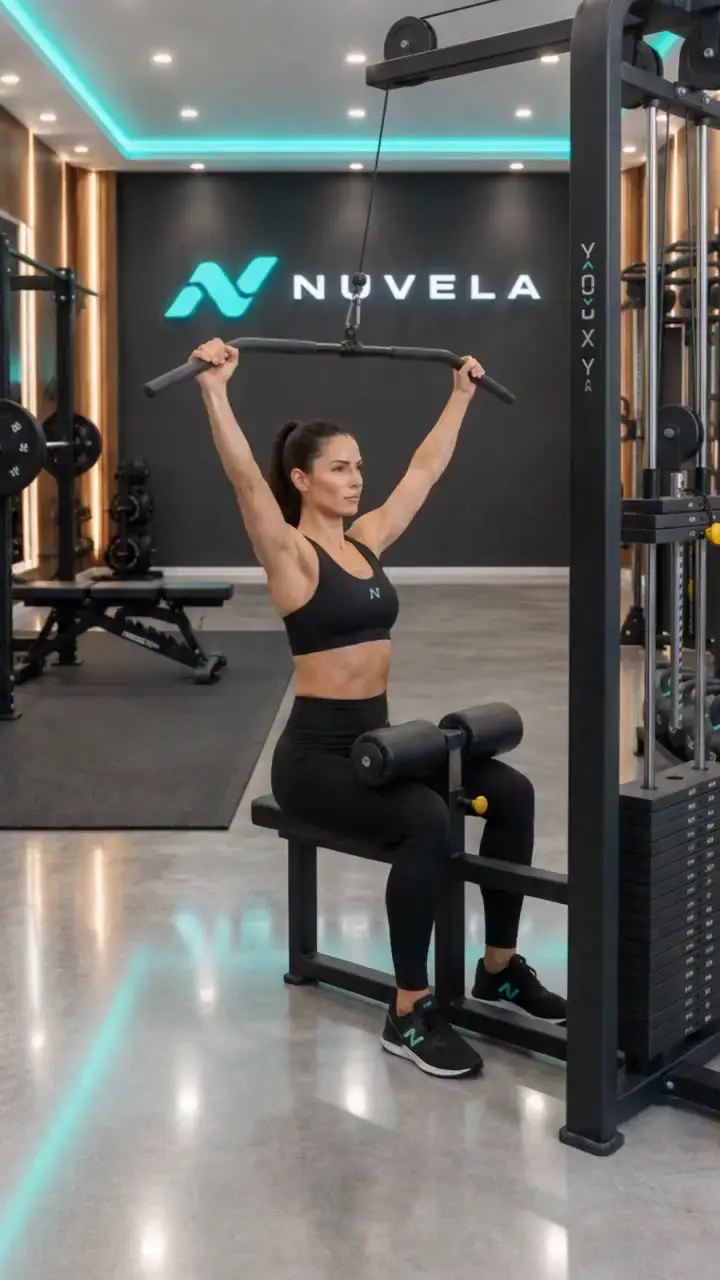
| Lat pulldown | 3 × 10–12 | One machine, move the pin |
| Incline dumbbell press | 3 × 8–12 | One bench |
| Leg press | 3 × 10–12 | One machine, change the plates |
| Cable face pull | 2 × 12–15 | Same cable stack if your gym allows |
| Dead bug | 2 × 8 per side | Side by side |
Day C (Friday): full body
| Exercise | Sets × reps | Shared station tip |
|---|---|---|
| Leg press or goblet squat | 3 × 10–12 | Whichever is open |
| One-arm dumbbell row | 3 × 10 per arm | One bench, one of you on each side |
| Machine chest press | 3 × 10–12 | Move the pin between turns |
| Hip thrust or glute bridge | 3 × 10–12 | Same bench |
| Step-up to a low box | 2 × 8 per leg | One box, alternate sets |
| Cable Pallof press | 2 × 10 per side | Partner counts the reps |
Get this week built for your gym.
Plan your workout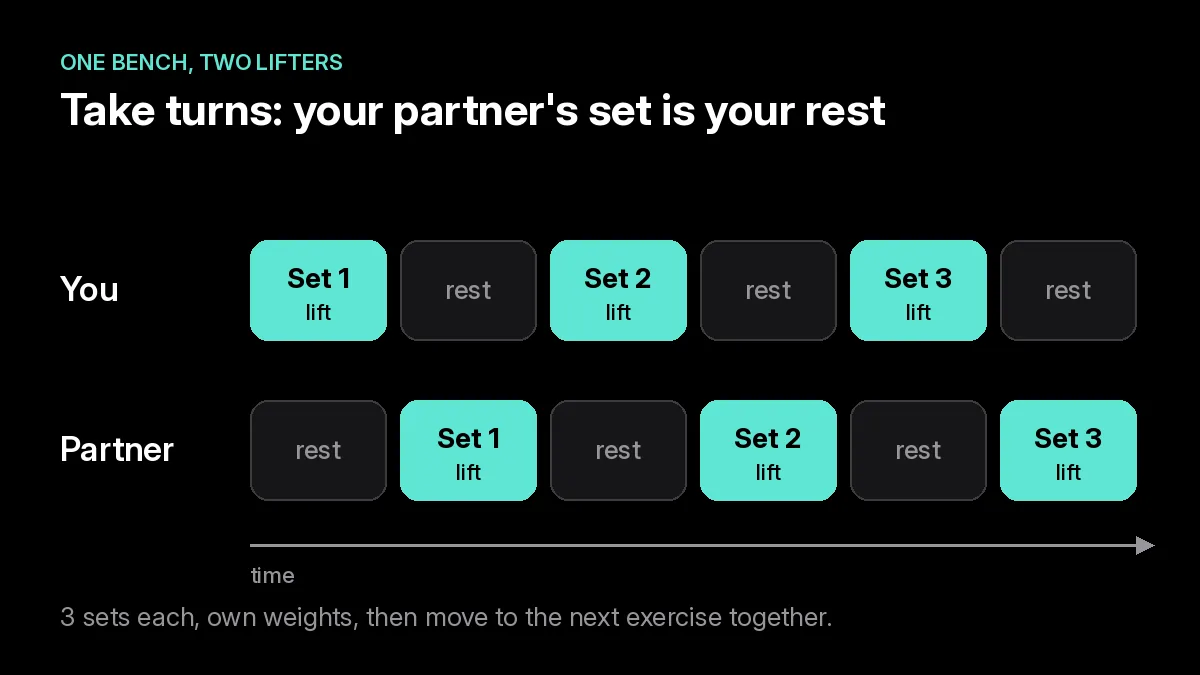
How to pick the weight (in pounds)
Pick a weight you could lift 2 or 3 more times at the end of the set. For a set of 10, that's a weight you could just about lift 12 or 13 times. When every set hits the top of the rep range, for example 3 × 12, go up by the smallest jump your equipment allows, usually 5 lb. Each of you goes up on your own schedule.
Example on goblet squats: one partner starts with a 25 lb dumbbell, the other with a 45 lb dumbbell. Both do 3 × 10. Both move up separately, and neither has to wait for the other.
Once three days a week feels easy, a push pull legs split is a common next step.
Swaps when a station is taken
Busy gym? Keep the movement pattern and change the tool:
| If this is taken | Do this instead |
|---|---|
| Bench | Floor press with dumbbells, or the machine chest press |
| Leg press | Goblet squat with one dumbbell each |
| Lat pulldown | One-arm dumbbell row, or a cable row |
| Cable stack | Band pull-apart for face pulls, dead bug for Pallof press |
| Box for step-ups | Reverse lunge |
Keep the same sets and reps, and keep alternating turns. Training at home with only dumbbells? Our back workouts with dumbbells guide has a home version that works with one pair.
Nuvela Duo: one plan for two
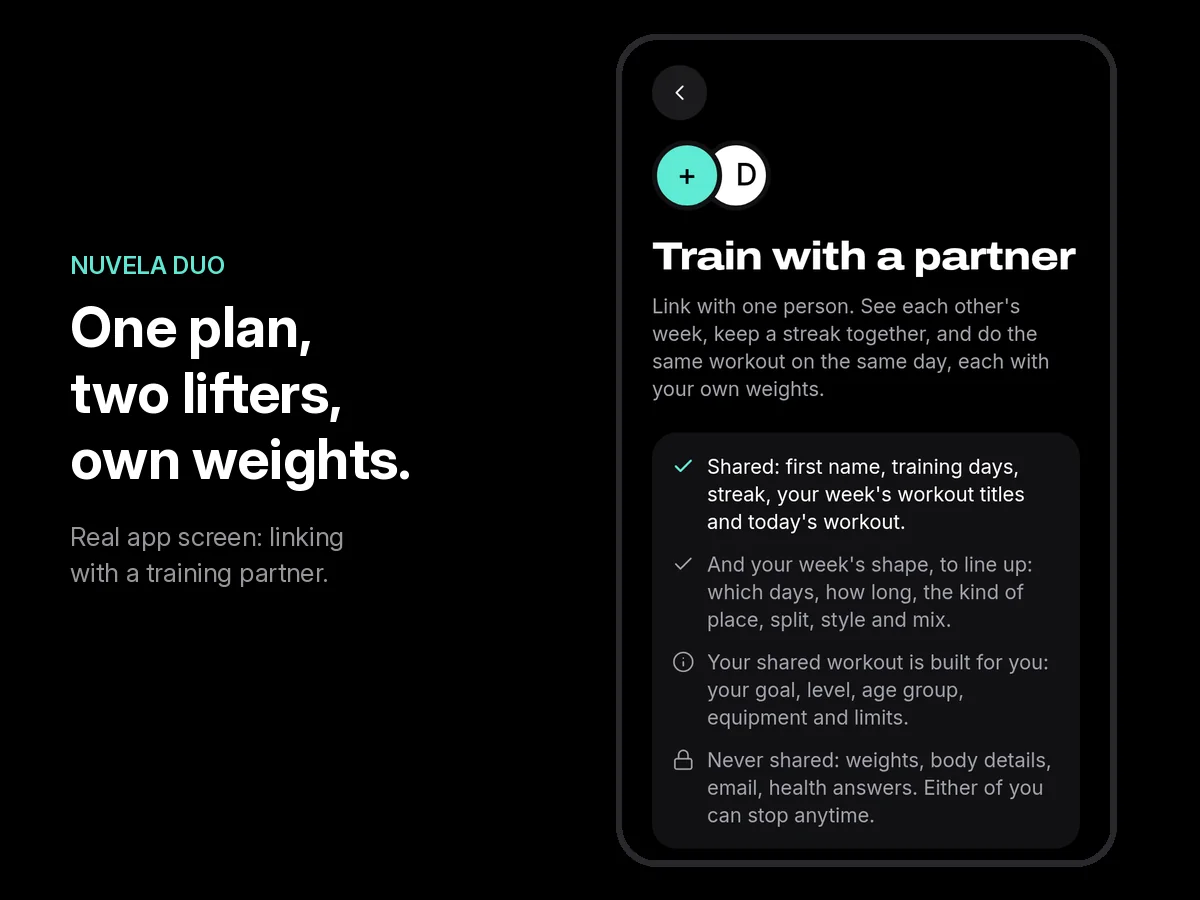
Nuvela builds a weekly plan from your goal, experience, days, equipment and the moves you want to skip, and it sets the weights and adjusts them after you log. With Duo, two people link up: train the same workout side by side, each with your own weights, or keep separate plans and stay linked. A swap applies only to the person who skipped the move. You pay, and your partner joins with your code. Duo is $19.49/month or $119.99/year, for two people on one subscription.
Add yoga without a second app
If one of you wants mobility work, put yoga on a non-lifting day so it doesn't eat into your three strength sessions. The ACSM guidelines above are about resistance training, so treat yoga as an extra, not a replacement for a lifting day. For poses you can do side by side, see our couples yoga poses.
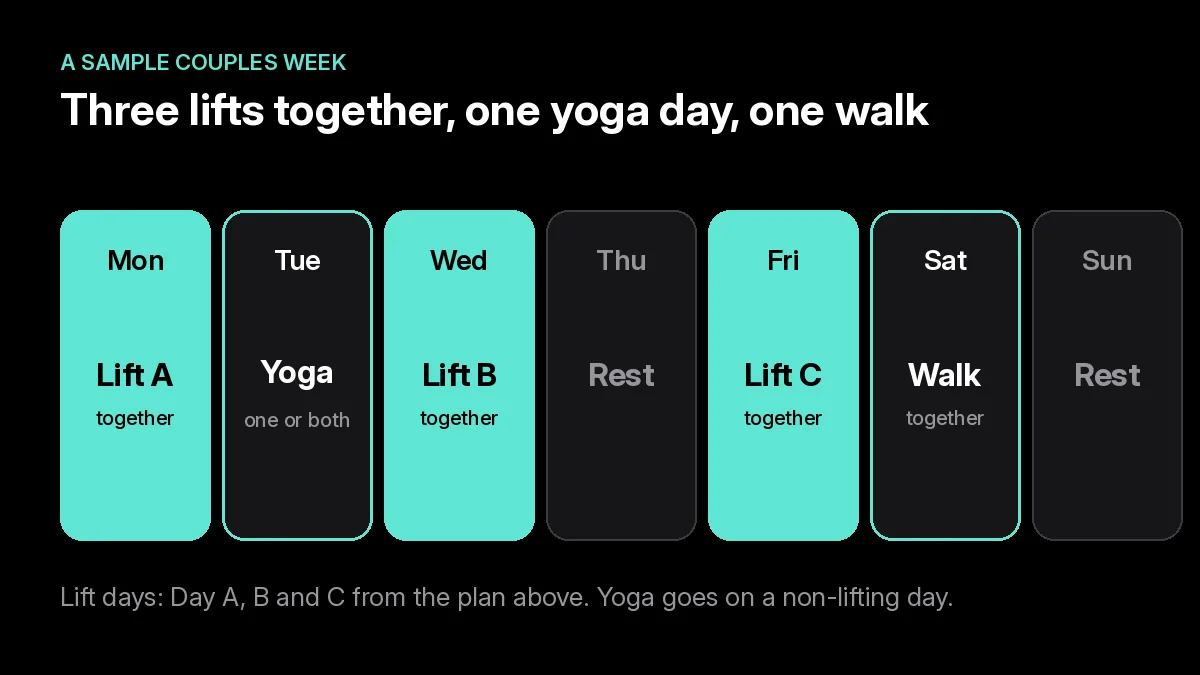
In the Nuvela app, strength, cardio and yoga live in one plan. You choose what your week includes, and a yoga session runs 15 to 60 minutes. Sample week: Monday Lift A, Tuesday yoga, Wednesday Lift B, Thursday rest, Friday Lift C, Saturday a walk together, Sunday rest.
Why training together works
The hardest part of any plan is showing up, and a partner in the car with you makes that easier. Recent research points the same way, with limits worth knowing:
- In a 2025 Annals of Behavioral Medicine study, researchers tracked 140 couples with activity monitors for 22 days. On days when partners were more in sync than usual, the study participant was significantly more active and in a better mood. That group was older (average age 65), so treat it as a signal, not proof for every couple.
- A 2025 study of 99 couples found that encouragement ("let's go, I'll drive") was linked to more activity in the partner that day. Pressure (nagging) wasn't linked to more activity, and it left the person doing it in a worse mood.
- In a small 2025 study of 8 couples, partners named exercising together, shared responsibility and accountability as what kept them going. Differing timing and work schedules got in the way.
There's room to grow: only 32.9% of US adults did muscle-strengthening activity at least 2 days a week in 2024, according to CDC survey data tracked by Healthy People 2030.
Looking for an app to run this together? See our social workout app picks. Want a yoga day that also builds strength? Try yoga for strength.
Common questions
What's a good gym workout plan for couples who are beginners?
Three full-body days a week with the same moves and your own weights, like the plan above. The 2026 ACSM guidelines ask for every major muscle group at least twice a week, and this plan covers them three times.
What if one of us is much stronger?
That's normal. Use dumbbells and machines so you can change the weight fast, and match reps and effort, not pounds. Each of you moves up when you hit the top of your rep range.
How long does a couples workout take?
Plan on about an hour with a warm-up. Alternating sets keeps it moving, because your partner's set is your rest. If you're short on time, drop the last move of the day.
What if our schedules don't line up?
Train together on two of the three days and do the third day solo. With Nuvela Duo you can keep separate plans and stay linked, so the solo day still counts toward your week.
Can we combine yoga and strength training?
Yes. Keep your three lifting days and add yoga on a separate day. In Nuvela, strength, cardio and yoga can all go into the same weekly plan.
Sources
- American College of Sports Medicine, ACSM Unveils Landmark 2026 Resistance Training Guidelines (March 17, 2026). 137 systematic reviews, more than 30,000 participants; all major muscle groups at least twice a week; consistency over complex programs.
- ACSM Position Stand, Resistance Training Prescription for Muscle Function, Hypertrophy, and Physical Performance in Healthy Adults, Medicine and Science in Sports and Exercise (April 2026). Effort near failure or 2 to 3 reps in reserve; training to failure not required.
- Couple synchrony in physical activity, Annals of Behavioral Medicine (2025). 140 couples, 22 days of activity monitor data.
- Health-related social control in overweight romantic couples, Annals of Behavioral Medicine (2025). 99 couples over 14 days: persuasion linked to more activity, pressure was not.
- Promoting adherence in couples-based lifestyle interventions, Proceedings of the Nutrition Society (2025). Small study of 8 couples: exercising together and shared accountability helped; mismatched schedules were a barrier.
- Healthy People 2030, PA-04: adults who do enough muscle-strengthening activity (CDC NHIS data, 2024). 32.9% of US adults, age adjusted.
Related guides
- Social Workout App: 5 Picks and Who Each Fits
- Cardio Before or After Weights? Pick by Your Goal
- Push Pull Legs: 6-Day PPL Plan With Sets and Reps
Try 7 days, no card needed

